


09
2026
-
04
Maximizing Energy Efficiency and Savings: The Ultimate Guide to Heat Pumps for Pool Heating
Maximizing Energy Efficiency and Savings: The Ultimate Guide to Heat Pumps for Pool Heating
Introduction to Heat Pumps for Pool Heating
Heat pumps have become increasingly popular in the world of pool heating, offering an environmentally friendly and energy-efficient alternative to traditional heating methods. As homeowners seek ways to save on energy costs while maintaining a comfortable swimming environment, understanding the advantages of heat pumps is essential.
In this article, we will explore the mechanics of **heat pumps**, their energy-saving potential, and how they compare to other heating options. Whether you're considering installing a heat pump for the first time or looking to enhance your current system's efficiency, we have the insights you need.
Understanding Heat Pumps: The Basics
What is a Heat Pump?
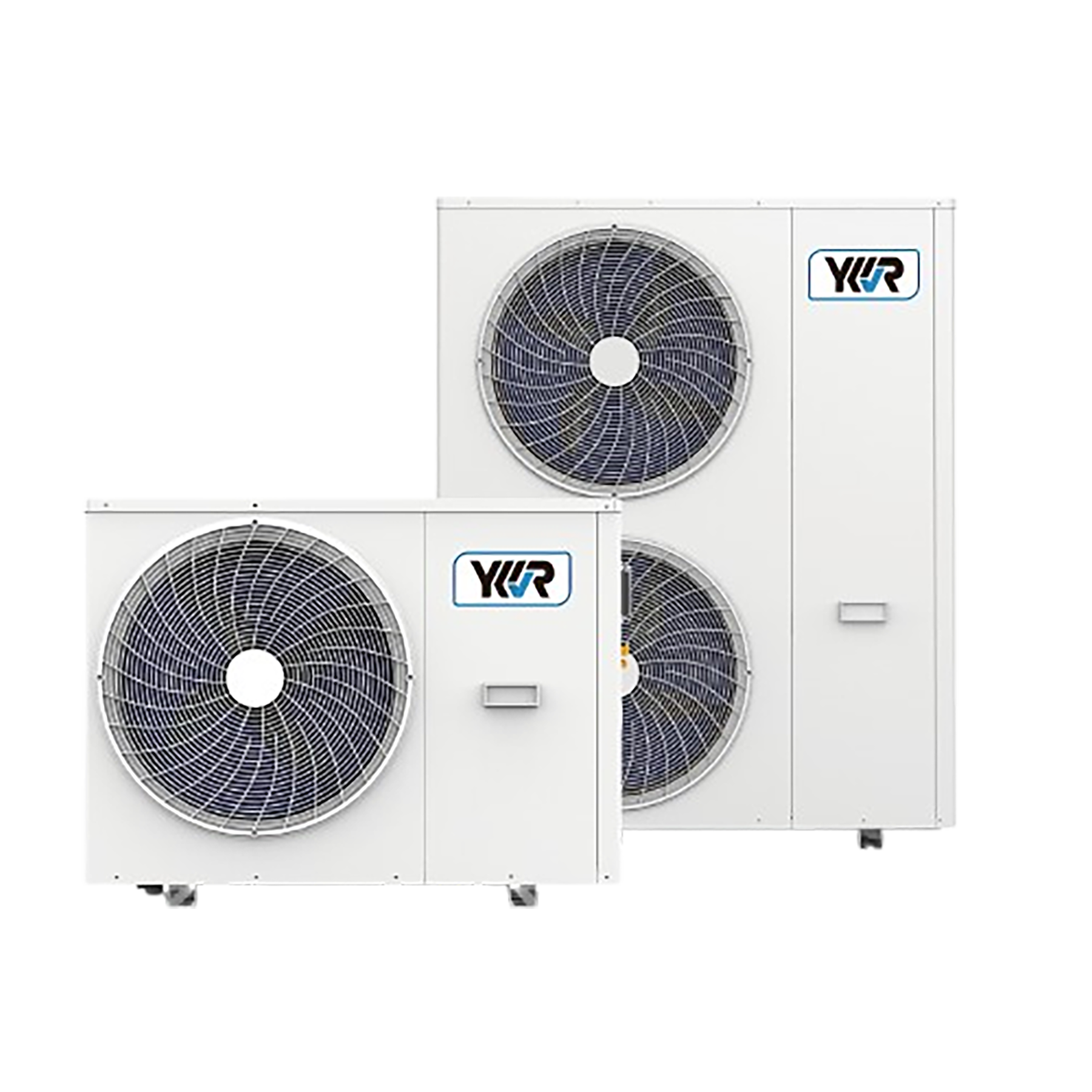
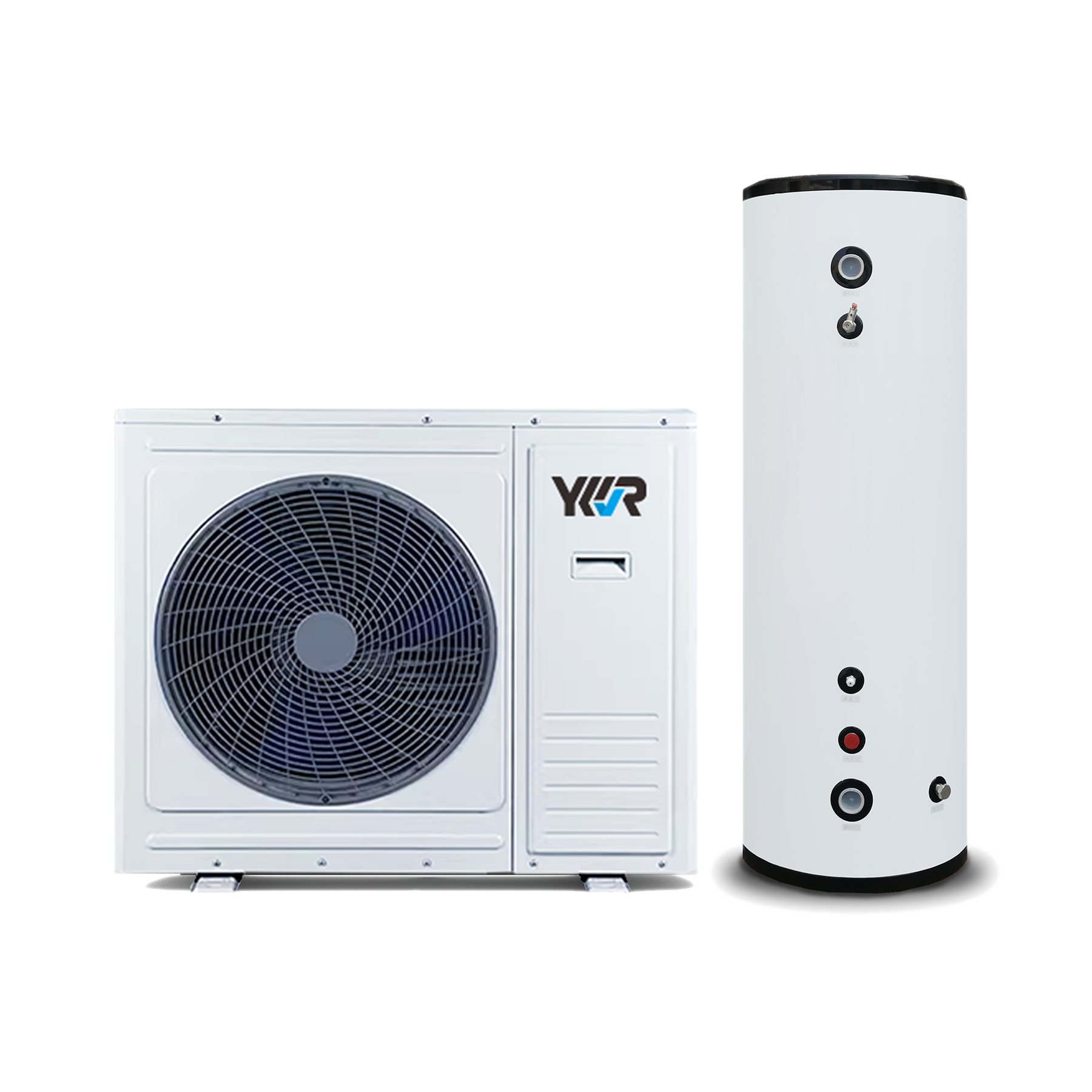
A heat pump is an innovative device that transfers thermal energy from one location to another, effectively heating or cooling a space. In the context of pool heating, heat pumps extract heat from the surrounding air or ground and transfer it to the pool water.
How Do Heat Pumps Work?
Heat pumps operate on a simple yet effective principle known as the refrigeration cycle. Here’s a breakdown of the process:
1. **Evaporation**: The heat pump contains a refrigerant that absorbs heat from the air or ground as it evaporates.
2. **Compression**: The gaseous refrigerant is then compressed, increasing its temperature.
3. **Condensation**: The high-temperature gas passes through a heat exchanger, where it releases its heat to the pool water, causing the refrigerant to condense back into a liquid.
4. **Expansion**: The refrigerant then goes through an expansion valve, lowering its pressure and temperature, allowing the cycle to repeat.
This process enables heat pumps to extract heat from relatively cool air, making them efficient even in lower temperatures.
The Advantages of Using Heat Pumps for Pool Heating
Energy Efficiency
One of the most significant benefits of heat pumps is their **energy efficiency**. Unlike traditional electric heaters that generate heat, heat pumps simply transfer existing heat, resulting in a much lower energy consumption. For every unit of electricity consumed, a heat pump can produce several units of heat energy, achieving efficiency ratings of 300% or more.
Cost Savings
The initial investment in a heat pump may be higher than traditional heaters, but the long-term savings on energy bills can be substantial. By maintaining optimal pool temperatures with less energy, homeowners can experience significant cost reductions over time.
Environmental Impact
Heat pumps are not only cost-effective but also environmentally friendly. They significantly reduce the carbon footprint associated with heating pools. By utilizing renewable energy from the air or ground, they contribute to a **sustainable lifestyle**.
Versatility and Year-Round Use
Heat pumps are versatile and can be used for both heating and cooling purposes. This dual functionality allows homeowners to maintain comfortable pool temperatures even during the hot summer months.
Choosing the Right Heat Pump for Your Pool
Factors to Consider
When choosing a heat pump, several factors should guide your decision:
1. **Pool Size**: The size of your pool will determine the heating capacity required from the heat pump. Manufacturers often provide guidelines on selection based on pool volume.
2. **Climate**: The local climate significantly impacts heat pump efficiency. Warmer regions may benefit from air-source heat pumps, while cooler locations might require ground-source options.
3. **Installation Location**: Proper placement of the heat pump is crucial for optimal performance. Ensure adequate airflow and accessibility for maintenance.
4. **Energy Source**: Some heat pumps can be powered by solar energy, enhancing their sustainability.
Popular Types of Heat Pumps for Pools
There are primarily two types of heat pumps used for pool heating:
1. **Air Source Heat Pumps**: These pumps extract heat from the air and are ideal for moderate climates. They are often more affordable and easier to install.
2. **Geothermal (Ground Source) Heat Pumps**: These pumps draw heat from the ground, offering higher efficiency rates, especially in colder climates. However, they typically come with a higher upfront investment due to installation complexity.
Optimizing Energy Efficiency in Heat Pump Use
Proper Pool Cover Usage
Utilizing a **pool cover** when the pool is not in use is one of the most effective ways to minimize heat loss. Covers can significantly reduce evaporation and maintain water temperature, which eases the workload on your heat pump.
Regular Maintenance and Upkeep
To ensure your heat pump operates at peak efficiency, regular maintenance is essential. This includes:
- **Cleaning the air filters**: Dirty filters can hinder airflow and reduce efficiency.
- **Inspecting the heat exchanger**: Ensure there are no blockages that could impede heat transfer.
- **Checking refrigerant levels**: Low refrigerant can affect performance and should be addressed promptly.
Smart Thermostat Integration
Integrating a smart thermostat can help monitor and control pool temperatures more precisely. This technology allows for scheduling and remote management, reducing energy consumption when the pool is not in use.
Installing Energy-Efficient Equipment
Consider pairing your heat pump with other energy-efficient pool equipment, such as LED lighting and variable speed pumps, to maximize savings and enhance your overall pool’s energy efficiency.
Common Myths About Heat Pumps
Myth 1: Heat Pumps Are Inefficient in Cold Weather
While it’s true that heat pumps are less efficient in extremely low temperatures, modern models are designed to operate effectively in colder climates, often down to 40°F.
Myth 2: Heat Pumps Are Expensive to Operate
The perception that heat pumps are costly comes from initial investment costs. However, their energy efficiency often leads to lower operational costs over time, providing substantial savings.
Myth 3: Heat Pumps Require Extensive Maintenance
In reality, heat pumps require similar maintenance to other pool heating systems. Regular checks and basic upkeep can keep them running smoothly without excessive effort.
Frequently Asked Questions (FAQs)
1. How long does a heat pump last?
A well-maintained heat pump can last between 10 to 15 years, depending on usage and environmental conditions.
2. Can I install a heat pump myself?
While some homeowners may attempt DIY installations, it's advisable to hire a professional to ensure proper setup and compliance with local codes.
3. Are heat pumps noisy?
Most modern heat pumps are designed to operate quietly, with noise levels comparable to a standard air conditioning unit.
4. How much can I save with a heat pump compared to traditional heating methods?
Savings can vary, but many homeowners report reductions of 30% to 50% on their heating bills when switching to heat pumps.
5. What is the best time to run my heat pump?
Running your heat pump during off-peak electricity hours, typically in the evening or early morning, can lead to additional savings.
Conclusion
In summary, heat pumps represent a powerful solution for pool heating, combining energy efficiency with significant cost savings. By understanding their mechanics, choosing the right model, and implementing best practices for usage and maintenance, homeowners can enjoy a comfortably heated pool while minimizing their environmental impact and energy costs. As energy prices continue to rise and environmental concerns grow, the transition to heat pumps for pool heating is not just beneficial but essential for a sustainable future.
Get A Free Quote
We welcome you for any inquiries,tell us about your project to receive a no-obligation price quote

Hotline
Address
No. 16-1, Chaoyang Road, Nanhai National Ecological Industrial Demonstration Park, Danzao Town, Nanhai District, Foshan City, Guangdong Province, China.