


07
2026
-
04
Understanding Split System Heat Pumps: A Comprehensive Guide for Professionals
Split system heat pumps are increasingly recognized for their efficiency and effectiveness in both heating and cooling applications. Designed to transfer heat from one location to another, these systems can significantly reduce energy consumption compared to traditional heating methods. This guide provides essential information on the workings, benefits, and considerations of split system heat pumps, particularly in the context of the consumer electronics and water heater sectors.
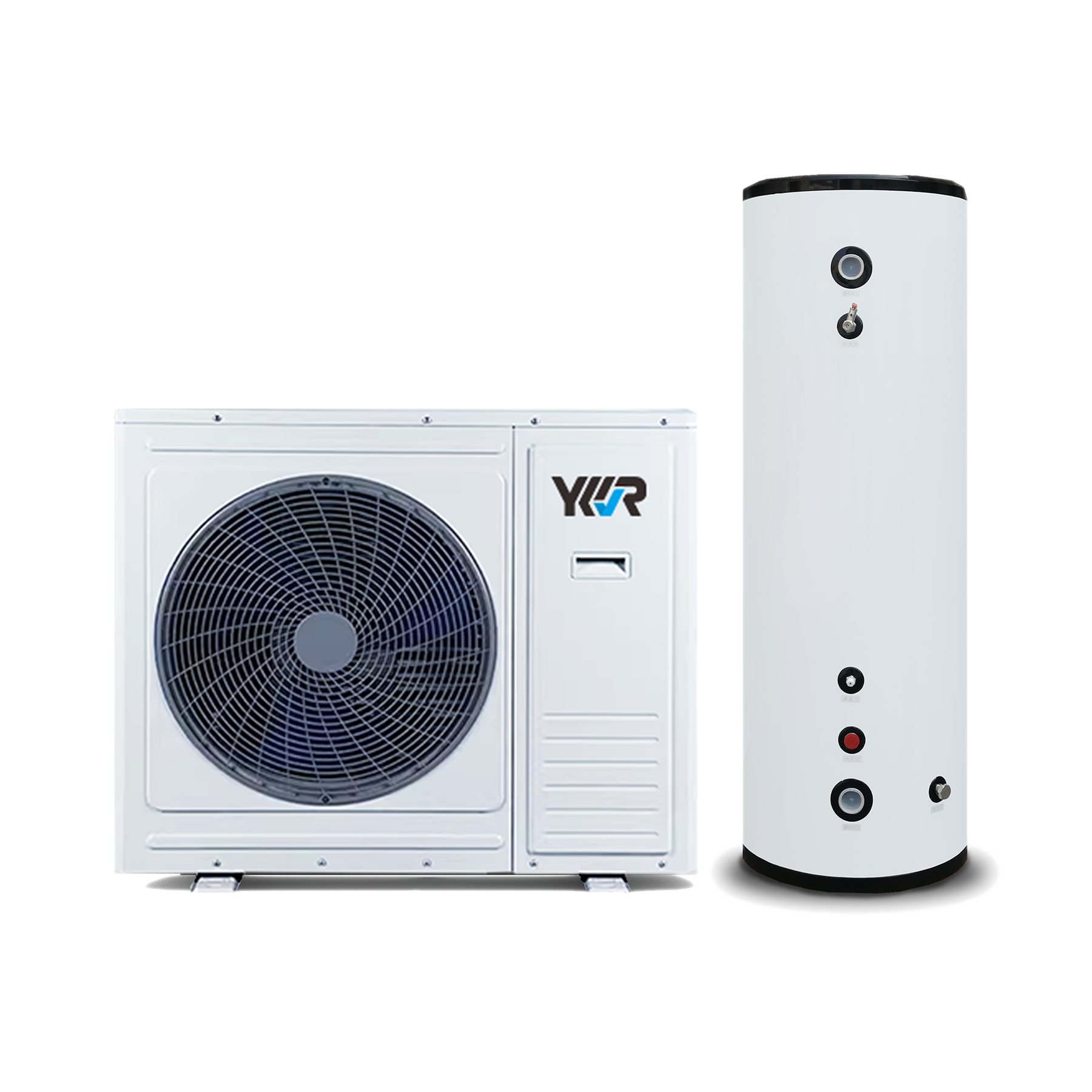
A split system heat pump typically comprises two main components: an outdoor unit and an indoor unit. The outdoor unit houses the compressor and condenser, while the indoor unit contains the evaporator coil. The system operates by absorbing heat from the outside air, even in lower temperatures, and transferring it indoors during winter. Conversely, during warmer months, the process can be reversed to provide cooling. This dual functionality makes split system heat pumps a versatile solution for year-round climate control.
One of the primary advantages of split system heat pumps is their energy efficiency. They utilize a refrigeration cycle that requires less electricity than traditional heating methods like electric resistance heaters or combustion-based systems. This efficiency not only translates into lower energy bills for consumers but also supports broader environmental goals by reducing greenhouse gas emissions. When considering a split system heat pump, it's essential to assess the energy efficiency rating, typically indicated by the Seasonal Energy Efficiency Ratio (SEER) for cooling and the Heating Season Performance Factor (HSPF) for heating.
Installation flexibility is another notable characteristic of split system heat pumps. The outdoor unit can be positioned away from the indoor space, allowing for more discreet installation and minimizing noise disruption. Additionally, the indoor units can be wall-mounted, ceiling-mounted, or even ducted, providing options that can fit various architectural designs and preferences.
When discussing split system heat pumps with clients, it's crucial to highlight that regular maintenance is key to ensuring longevity and optimal performance. Routine checks, such as cleaning filters and inspecting refrigerant levels, can prevent inefficient operation and extend the lifespan of the system.
Moreover, understanding local climate considerations is vital. In milder climates, split system heat pumps can operate efficiently throughout the year. However, in regions with extreme winter temperatures, supplemental heating solutions may be required to ensure comfortable indoor conditions.
In conclusion, split system heat pumps present an advanced and efficient solution for heating and cooling needs. Their operational efficiency, installation flexibility, and potential for year-round use make them an attractive option for consumers seeking sustainable home comfort solutions. As a professional in the consumer electronics and water heater industries, familiarizing yourself with the benefits and functionality of split system heat pumps will enable you to provide informed recommendations to your clients.
A split system heat pump typically comprises two main components: an outdoor unit and an indoor unit. The outdoor unit houses the compressor and condenser, while the indoor unit contains the evaporator coil. The system operates by absorbing heat from the outside air, even in lower temperatures, and transferring it indoors during winter. Conversely, during warmer months, the process can be reversed to provide cooling. This dual functionality makes split system heat pumps a versatile solution for year-round climate control.
One of the primary advantages of split system heat pumps is their energy efficiency. They utilize a refrigeration cycle that requires less electricity than traditional heating methods like electric resistance heaters or combustion-based systems. This efficiency not only translates into lower energy bills for consumers but also supports broader environmental goals by reducing greenhouse gas emissions. When considering a split system heat pump, it's essential to assess the energy efficiency rating, typically indicated by the Seasonal Energy Efficiency Ratio (SEER) for cooling and the Heating Season Performance Factor (HSPF) for heating.
Installation flexibility is another notable characteristic of split system heat pumps. The outdoor unit can be positioned away from the indoor space, allowing for more discreet installation and minimizing noise disruption. Additionally, the indoor units can be wall-mounted, ceiling-mounted, or even ducted, providing options that can fit various architectural designs and preferences.
When discussing split system heat pumps with clients, it's crucial to highlight that regular maintenance is key to ensuring longevity and optimal performance. Routine checks, such as cleaning filters and inspecting refrigerant levels, can prevent inefficient operation and extend the lifespan of the system.
Moreover, understanding local climate considerations is vital. In milder climates, split system heat pumps can operate efficiently throughout the year. However, in regions with extreme winter temperatures, supplemental heating solutions may be required to ensure comfortable indoor conditions.
In conclusion, split system heat pumps present an advanced and efficient solution for heating and cooling needs. Their operational efficiency, installation flexibility, and potential for year-round use make them an attractive option for consumers seeking sustainable home comfort solutions. As a professional in the consumer electronics and water heater industries, familiarizing yourself with the benefits and functionality of split system heat pumps will enable you to provide informed recommendations to your clients.

Get A Free Quote
We welcome you for any inquiries,tell us about your project to receive a no-obligation price quote

Hotline
Address
No. 16-1, Chaoyang Road, Nanhai National Ecological Industrial Demonstration Park, Danzao Town, Nanhai District, Foshan City, Guangdong Province, China.