


01
2026
-
04
Why Air Heat Pumps Are the Future of Sustainable Heating Solutions
Why Air Heat Pumps Are the Future of Sustainable Heating Solutions
Table of Contents
- Introduction to Air Heat Pumps
- What Are Air Heat Pumps?
- How Air Heat Pumps Work
- Benefits of Air Heat Pumps
- Challenges and Misconceptions
- Installation and Maintenance of Air Heat Pumps
- Case Studies: Real-World Applications
- The Future of Air Heat Pumps in Sustainable Heating
- FAQs About Air Heat Pumps
- Conclusion: Embracing Air Heat Pumps
Introduction to Air Heat Pumps
In recent years, the quest for **sustainable heating solutions** has led homeowners and businesses alike to explore innovative technologies. Among these, **air heat pumps** have emerged as a leading option. Their ability to efficiently transfer heat while minimizing energy consumption positions them as a cornerstone for future heating systems. This article delves into the mechanics, benefits, and long-term potential of air heat pumps, revealing why they are considered the future of sustainable heating.
What Are Air Heat Pumps?
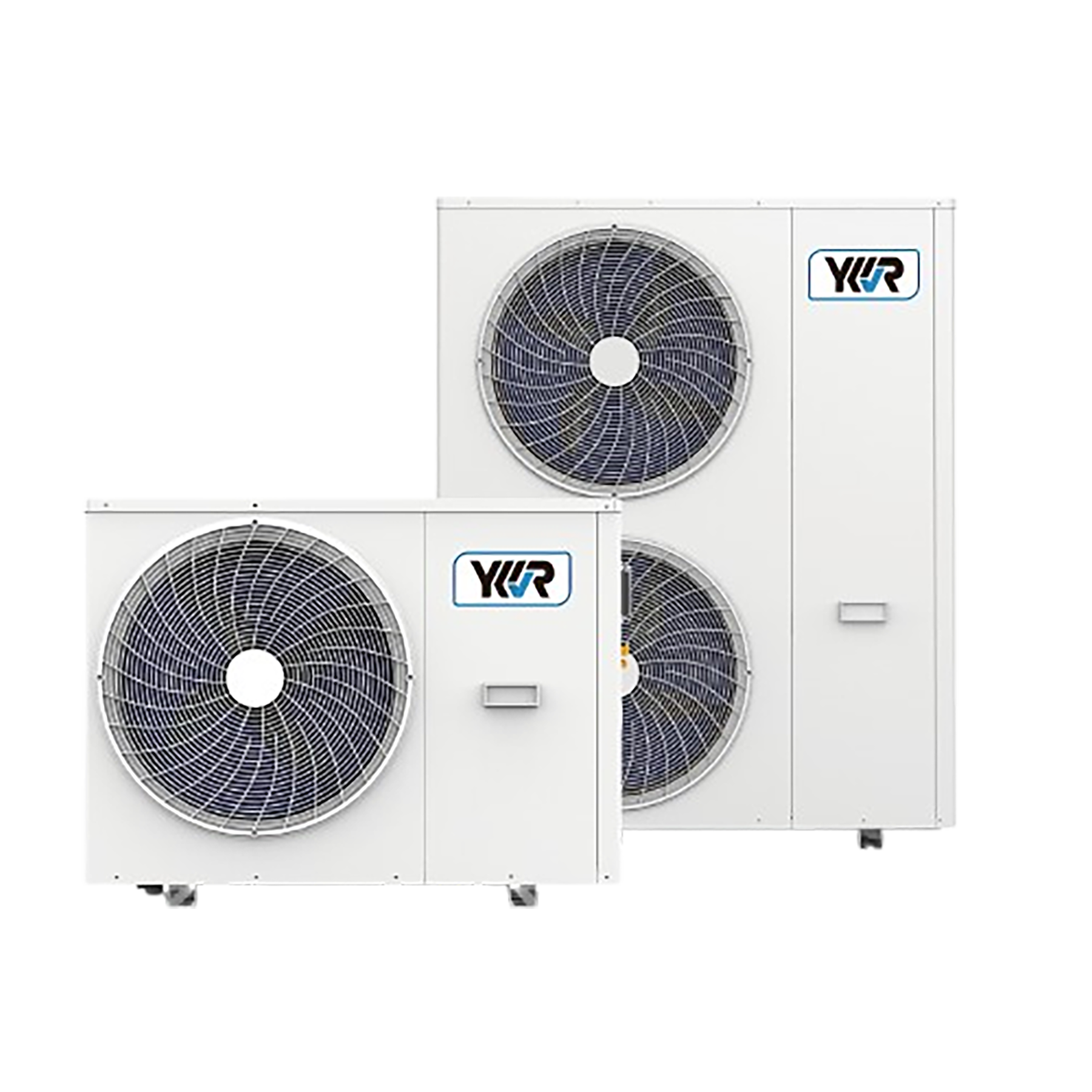
Air heat pumps are devices that transfer heat from the outside air to heat or cool indoor spaces. Unlike traditional heating systems that generate heat, air heat pumps utilize the principles of thermodynamics to move thermal energy. They are categorized into two main types: **air-to-air heat pumps** and **air-to-water heat pumps**. The former is primarily used for heating and cooling air, while the latter is designed to heat water for radiators or underfloor heating systems.
How Air Heat Pumps Work
The operation of air heat pumps is based on a refrigeration cycle, which involves four key components: **evaporator, compressor, condenser, and expansion valve**.
1. Evaporator
The evaporator absorbs heat from the outside air, even at low temperatures. A refrigerant inside the evaporator evaporates, changing from liquid to gas as it absorbs heat.
2. Compressor
The gaseous refrigerant is then compressed by the compressor, which significantly increases its temperature and pressure.
3. Condenser
Next, the hot gas flows to the condenser, where it releases its heat into the indoor space or water system, condensing back into a liquid.
4. Expansion Valve
Finally, the refrigerant passes through the expansion valve, lowering its pressure and temperature before returning to the evaporator to repeat the cycle.
This continuous cycle allows air heat pumps to provide reliable heating during the colder months while also offering cooling options in warmer seasons.
Benefits of Air Heat Pumps
Air heat pumps offer numerous advantages over traditional heating systems, making them an increasingly popular choice among consumers.
Energy Efficiency
One of the most significant benefits of air heat pumps is their **energy efficiency**. They can produce three to four units of heat for every unit of electricity consumed, translating to a high coefficient of performance (COP). This efficiency means lower energy bills and reduced reliance on fossil fuels.
Environmental Impact
Air heat pumps contribute to a **reduction in greenhouse gas emissions**. By utilizing renewable heat from the air, they lessen the carbon footprint associated with heating. This is crucial in the ongoing battle against climate change, as transitioning to cleaner energy options is essential for a sustainable future.
Cost Savings
Although the initial installation cost of air heat pumps may be higher than traditional systems, they provide significant long-term savings. The reduced energy consumption translates into lower utility bills, and many governments offer incentives or rebates for installing energy-efficient systems, further alleviating the financial burden.
Challenges and Misconceptions
Despite their many benefits, air heat pumps face challenges and misconceptions that can deter potential users.
1. Performance in Cold Climates
A common misconception is that air heat pumps are ineffective in very cold climates. However, modern technology has significantly improved their performance in low temperatures, with many models capable of operating efficiently even at temperatures below freezing.
2. Noise Levels
Concerns about noise levels are another barrier to adoption. While some units can generate noise, advancements in design have led to quieter models that operate with minimal sound, making them suitable for residential areas.
3. Maintenance Requirements
Some potential users worry about maintenance. In reality, air heat pumps require similar maintenance to traditional heating systems. Regular checks and filter replacements can ensure optimal performance and longevity.
Installation and Maintenance of Air Heat Pumps
Proper installation and maintenance are crucial for maximizing the benefits of air heat pumps.
1. Professional Installation
Hiring a qualified technician to install the system is essential. They ensure that the heat pump is sized correctly for the space and that all components are installed according to manufacturer specifications.
2. Routine Maintenance
Regular maintenance, including checking refrigerant levels, cleaning filters, and inspecting electrical components, helps maintain efficiency and prolong the lifespan of the system. Services should be performed at least once a year, preferably before the heating season begins.
Case Studies: Real-World Applications
To illustrate the effectiveness of air heat pumps, let's look at a few real-world applications.
1. Residential Use
A family in a suburban area invested in an air-to-water heat pump system for their home. The results were impressive: their heating bills dropped by nearly 40%, and they enjoyed a consistent indoor climate year-round.
2. Commercial Use
A small business replaced its outdated heating system with an air-to-air heat pump. The business not only reduced its energy costs but also enhanced the comfort of employees and customers, creating a more inviting atmosphere.
The Future of Air Heat Pumps in Sustainable Heating
As technology continues to advance, the future of air heat pumps looks promising. Innovations in efficiency, performance, and integration with renewable energy sources—like solar panels—are paving the way for even greater adoption. Governments worldwide are also recognizing the potential of air heat pumps, leading to increased support and incentives for their installation.
FAQs About Air Heat Pumps
1. How much do air heat pumps cost to install?
The installation cost can vary widely based on the type of heat pump and the specifics of your home, but an average range is between $3,500 and $8,000, including installation.
2. Are air heat pumps worth the investment?
Yes, due to their high energy efficiency and potential savings on utility bills, air heat pumps can provide a solid return on investment over time.
3. How long does an air heat pump last?
With proper maintenance, air heat pumps can last 15 to 20 years, making them a durable option for heating and cooling.
4. Can air heat pumps be used for cooling in the summer?
Absolutely! Many air heat pumps can reverse the refrigeration cycle, providing efficient cooling during warmer months.
5. Do I need to make changes to my home for an air heat pump installation?
In most cases, air heat pumps can be installed with minimal modifications to existing heating systems, but a professional assessment is recommended to determine specific needs.
Conclusion: Embracing Air Heat Pumps
The transition to sustainable heating solutions is more essential now than ever, and air heat pumps stand at the forefront of this movement. Their impressive energy efficiency, environmental benefits, and cost savings make them an attractive choice for homeowners and businesses aiming for a greener future. As technology evolves, we can expect air heat pumps to play an increasingly vital role in achieving global sustainability goals. Embracing this technology today means investing in a cleaner, more efficient tomorrow.
Relevant News

Get A Free Quote
We welcome you for any inquiries,tell us about your project to receive a no-obligation price quote

Hotline
Address
No. 16-1, Chaoyang Road, Nanhai National Ecological Industrial Demonstration Park, Danzao Town, Nanhai District, Foshan City, Guangdong Province, China.