


30
2026
-
03
Unlock the Benefits of Heat Pumps for Your Swimming Pool
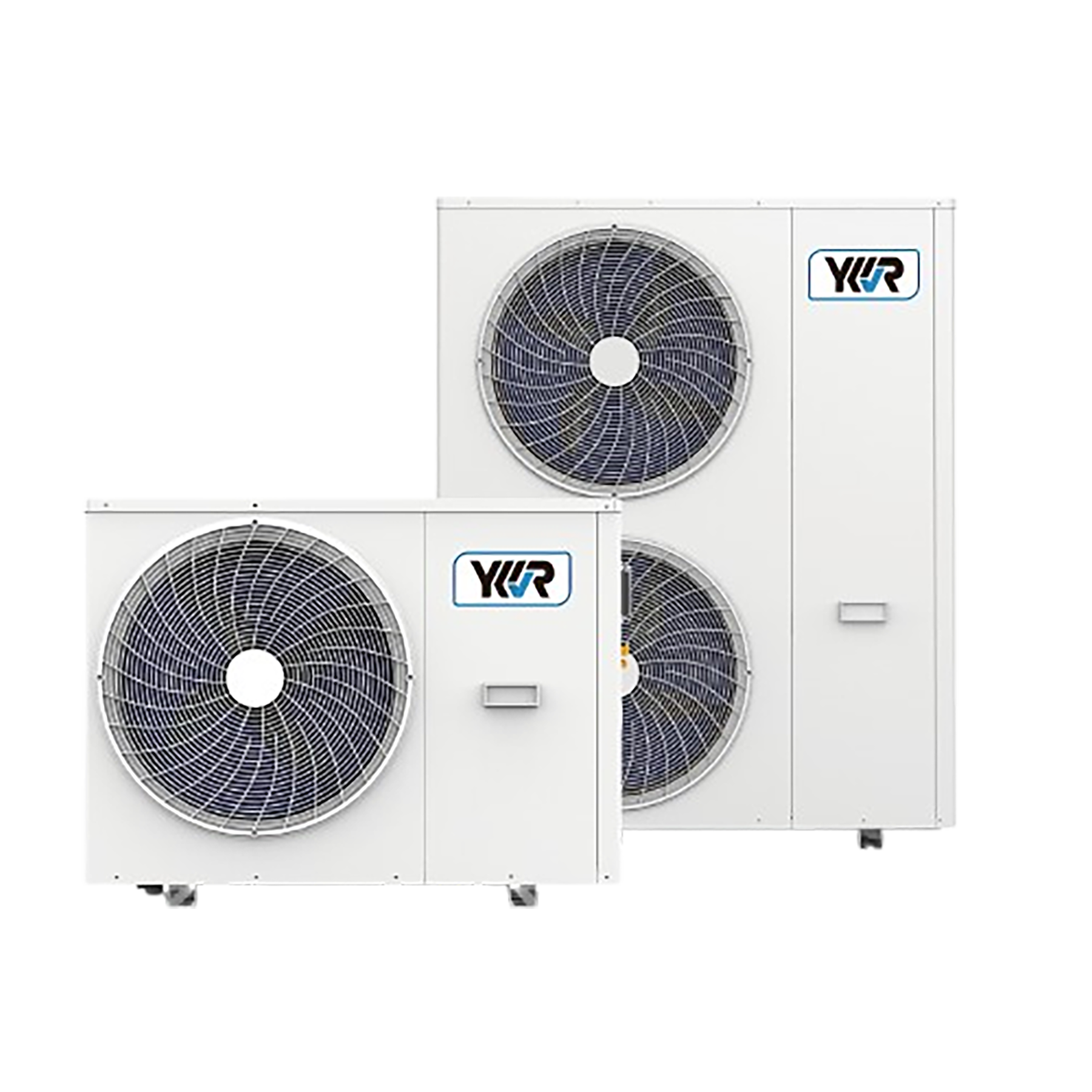
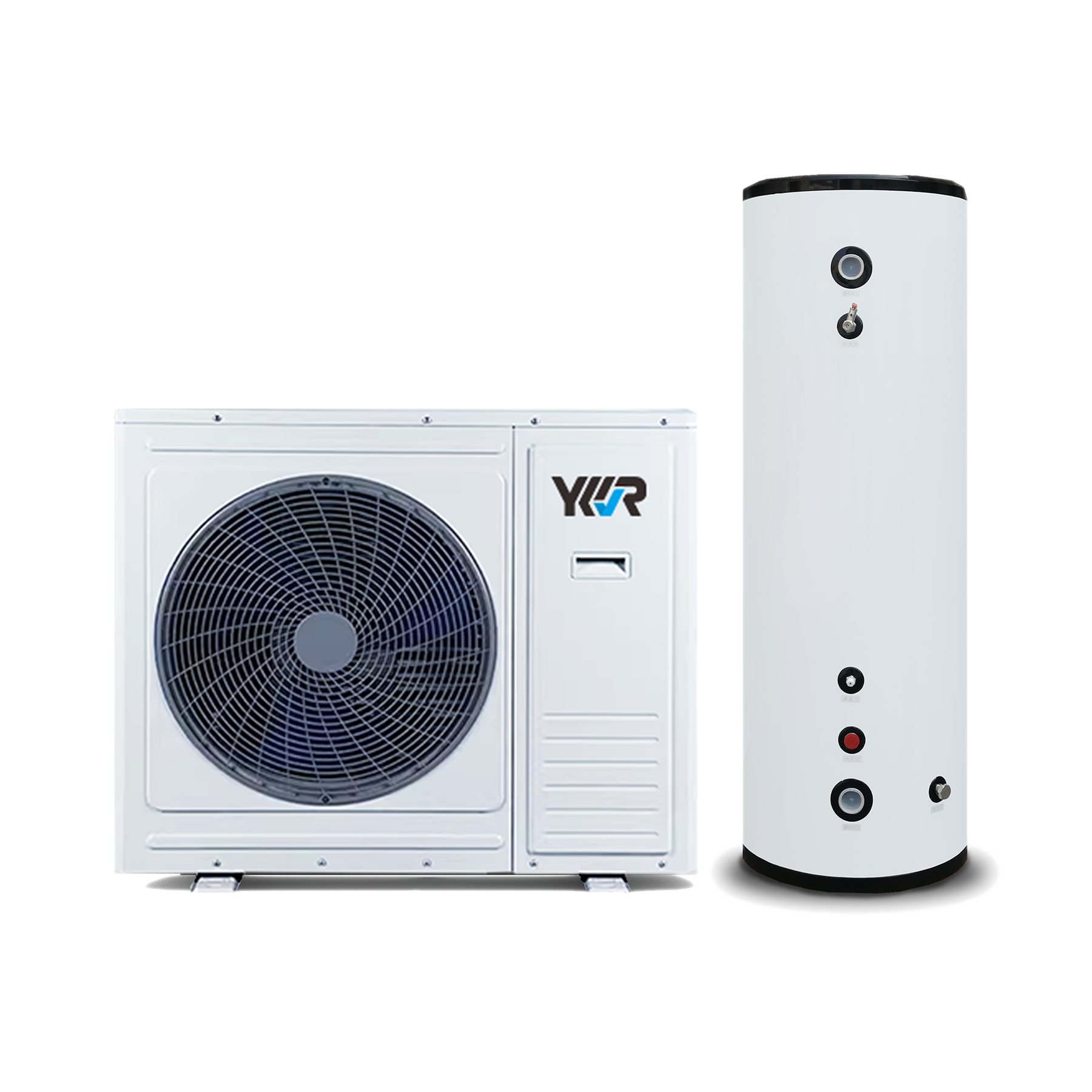
Heat pumps for swimming pools have become a popular choice among pool owners seeking a cost-effective and environmentally friendly heating solution. These systems work by transferring heat rather than generating it, making them an energy-efficient option for maintaining comfortable water temperatures, allowing for extended swimming seasons.
One of the primary advantages of heat pumps for swimming pools is their energy efficiency. Unlike traditional gas or electric heaters, which consume significant energy to generate heat, heat pumps utilize existing air or ground temperature to warm the pool water. This process significantly reduces energy costs, making it an attractive option for homeowners looking to lower their utility bills while enjoying their pools year-round.
The operational efficiency of a heat pump is measured by its coefficient of performance (COP). A higher COP indicates better energy performance, meaning that for every unit of electricity consumed, the heat pump can transfer multiple units of heat to the pool. Most modern heat pumps for swimming pools can achieve COP ratings between 4 and 6, emphasizing their superior efficiency compared to conventional heating methods.
When considering heat pumps for your swimming pool, it’s essential to assess various factors to ensure the best choice for your needs. First, consider the size of your pool and the temperature you wish to maintain. Heat pumps come in different sizes and capacities, so selecting a model that matches your pool's specifications is crucial for optimal performance.
Another important factor is the climate in your region. Heat pumps operate best in moderate temperatures, so if you live in an area with extreme cold, you may want to explore models designed specifically for lower temperatures or consider a hybrid system that integrates a backup heating source.
Installation and maintenance are also key components to consider. It is advisable to have a qualified technician handle the installation to ensure proper setup and efficiency. Regular maintenance is necessary to keep your heat pump running efficiently, including cleaning filters, checking refrigerant levels, and ensuring that the system is free from debris.
In conclusion, heat pumps for swimming pools offer an efficient and sustainable option for heating your swimming pool, enhancing your overall experience. By understanding the benefits and considerations involved, you can make an informed decision that will keep your pool warm and inviting for years to come.
One of the primary advantages of heat pumps for swimming pools is their energy efficiency. Unlike traditional gas or electric heaters, which consume significant energy to generate heat, heat pumps utilize existing air or ground temperature to warm the pool water. This process significantly reduces energy costs, making it an attractive option for homeowners looking to lower their utility bills while enjoying their pools year-round.
The operational efficiency of a heat pump is measured by its coefficient of performance (COP). A higher COP indicates better energy performance, meaning that for every unit of electricity consumed, the heat pump can transfer multiple units of heat to the pool. Most modern heat pumps for swimming pools can achieve COP ratings between 4 and 6, emphasizing their superior efficiency compared to conventional heating methods.
When considering heat pumps for your swimming pool, it’s essential to assess various factors to ensure the best choice for your needs. First, consider the size of your pool and the temperature you wish to maintain. Heat pumps come in different sizes and capacities, so selecting a model that matches your pool's specifications is crucial for optimal performance.
Another important factor is the climate in your region. Heat pumps operate best in moderate temperatures, so if you live in an area with extreme cold, you may want to explore models designed specifically for lower temperatures or consider a hybrid system that integrates a backup heating source.
Installation and maintenance are also key components to consider. It is advisable to have a qualified technician handle the installation to ensure proper setup and efficiency. Regular maintenance is necessary to keep your heat pump running efficiently, including cleaning filters, checking refrigerant levels, and ensuring that the system is free from debris.
In conclusion, heat pumps for swimming pools offer an efficient and sustainable option for heating your swimming pool, enhancing your overall experience. By understanding the benefits and considerations involved, you can make an informed decision that will keep your pool warm and inviting for years to come.
Get A Free Quote
We welcome you for any inquiries,tell us about your project to receive a no-obligation price quote

Hotline
Address
No. 16-1, Chaoyang Road, Nanhai National Ecological Industrial Demonstration Park, Danzao Town, Nanhai District, Foshan City, Guangdong Province, China.