


15
2026
-
01
Low Temperature Pool Heat Pump: Reliable and Energy-Efficient Pool Heating in Cold Climates
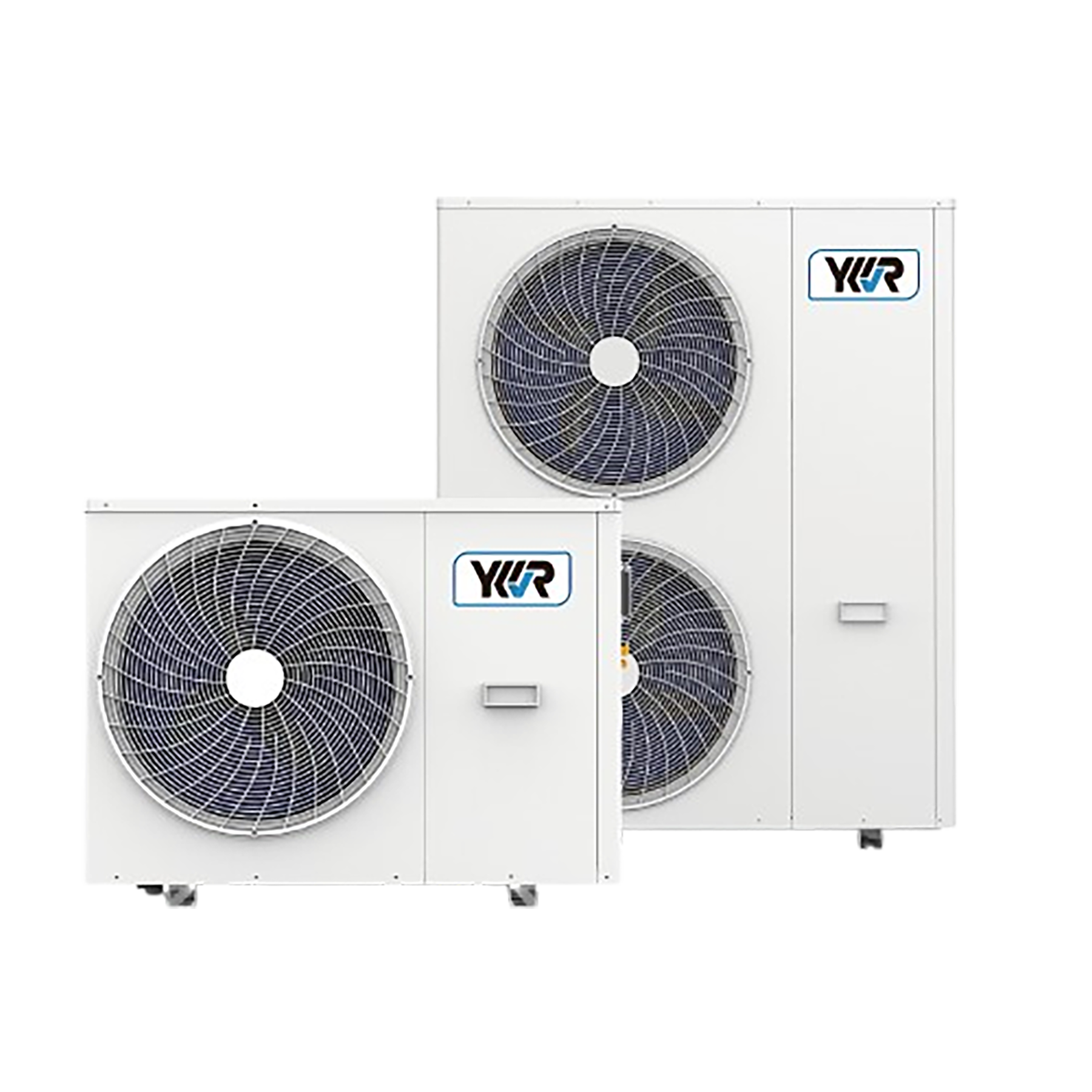
As the popularity of year-round swimming continues to rise, maintaining comfortable pool water temperatures in cold climates has become a significant challenge for both residential and commercial pool owners. Low temperature pool heat pumps have emerged as an advanced and energy-efficient solution, designed specifically to deliver stable heating performance even in low ambient temperature conditions.
A low temperature pool heat pump operates by extracting heat from the surrounding air and transferring it into the pool water. Unlike conventional heating systems that rely heavily on electricity or fossil fuels, heat pump technology uses renewable energy from the air, resulting in significantly lower energy consumption. Advanced low-temperature designs allow these systems to function efficiently even when outdoor temperatures fall well below freezing.
One of the key features of low temperature pool heat pumps is their enhanced vapor injection and optimized compressor technology. These innovations ensure stable heating capacity at temperatures as low as -15°C to -25°C, depending on the model. By maintaining consistent performance in extreme weather, low temperature pool heat pumps extend the swimming season and provide reliable comfort throughout the year.
Energy efficiency is a major advantage of low temperature pool heat pumps. With high coefficients of performance (COP), these systems can deliver multiple units of heat energy for every unit of electricity consumed. This efficiency translates into substantial cost savings on energy bills, making them an economical choice for hotels, resorts, sports centers, and private pool owners operating in colder regions.
Environmental sustainability is another important benefit. Low temperature pool heat pumps are often equipped with eco-friendly refrigerants, such as R32 or R290, which have low global warming potential and comply with international environmental regulations. By reducing carbon emissions and minimizing reliance on traditional heating methods, these systems support global efforts toward greener and more sustainable energy solutions.
Modern low temperature pool heat pumps are designed with intelligent control systems that allow precise temperature management and remote operation. Digital controllers, Wi-Fi connectivity, and smart monitoring features enable users to adjust settings easily and monitor system performance in real time. These smart features improve user convenience while optimizing energy efficiency and system reliability.
Durability and reliability are critical considerations in cold environments. Low temperature pool heat pumps are constructed with corrosion-resistant materials, such as coated steel cabinets and titanium heat exchangers, to withstand harsh weather and pool water conditions. Enhanced defrosting systems prevent frost buildup on the evaporator, ensuring continuous and efficient operation during winter months.
Applications for low temperature pool heat pumps extend across a wide range of scenarios. They are commonly used in outdoor pools, indoor swimming facilities, wellness centers, hotels, and rehabilitation pools. In regions with long winters, these heat pumps provide a practical and cost-effective alternative to gas boilers or electric heaters, delivering consistent performance with reduced operating costs.
The global market for low temperature pool heat pumps is experiencing steady growth, driven by increasing demand for energy-efficient heating solutions and expanding pool infrastructure in colder climates. Manufacturers continue to invest in research and development to improve performance, reduce noise levels, and enhance system integration with renewable energy sources such as solar power.
In conclusion, low temperature pool heat pumps represent a reliable, efficient, and environmentally friendly solution for pool heating in cold climates. By combining advanced compressor technology, intelligent controls, and sustainable design, these systems ensure comfortable swimming conditions year-round while minimizing energy consumption and environmental impact. As energy efficiency and sustainability become increasingly important, low temperature pool heat pumps are set to play a vital role in the future of pool heating technology.

Get A Free Quote
We welcome you for any inquiries,tell us about your project to receive a no-obligation price quote

Hotline
Address
No. 16-1, Chaoyang Road, Nanhai National Ecological Industrial Demonstration Park, Danzao Town, Nanhai District, Foshan City, Guangdong Province, China.