


31
2026
-
05
Comparing Air Heat Pumps and Traditional Heating Systems: What’s Best for Your Home?
Comparing Air Heat Pumps and Traditional Heating Systems: What’s Best?
Understanding the Basics: Air Heat Pumps vs. Traditional Heating Systems
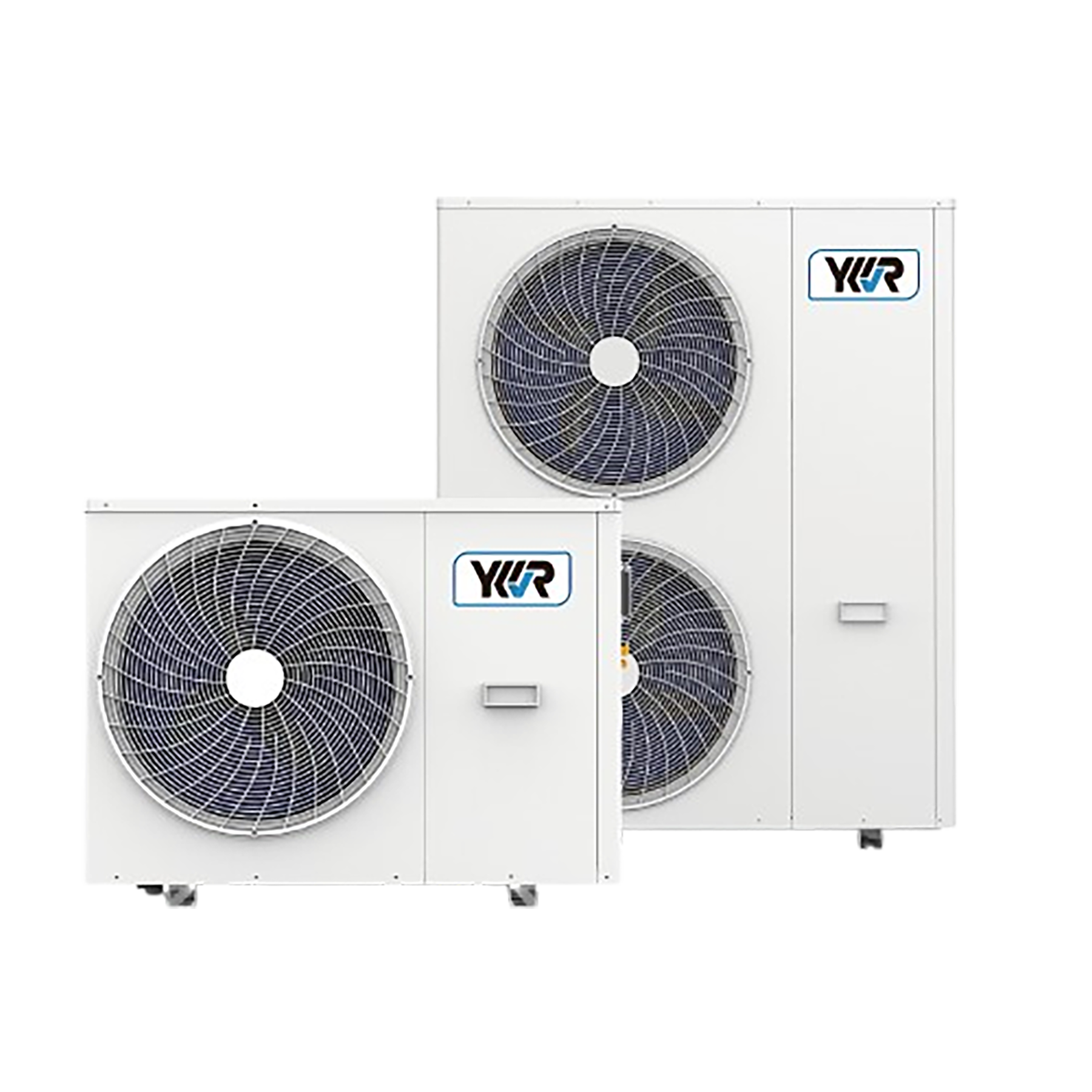
When it comes to heating your home, understanding the technology behind air heat pumps and traditional heating systems is crucial. **Air heat pumps** are innovative devices that transfer heat from the outside air into your home. They are designed to operate efficiently, even in colder temperatures, by utilizing a refrigeration cycle to extract and amplify heat.
On the other hand, **traditional heating systems**, including furnaces and boilers, typically rely on combustion of fossil fuels or electricity to generate heat. This fundamental difference lays the groundwork for comparing the two systems effectively.
The Mechanics of Air Heat Pumps
How Air Heat Pumps Function
Air heat pumps utilize a refrigeration cycle, involving the following key components:
1. **Evaporator Coil**: Absorbs heat from the outside air.
2. **Compressor**: Pressurizes the refrigerant, raising its temperature.
3. **Condenser Coil**: Releases heat into your home.
4. **Expansion Valve**: Lowers the pressure of the refrigerant, allowing the cycle to repeat.
This cycle enables air heat pumps to provide both heating and cooling functions, making them versatile choices for year-round climate control.
Types of Air Heat Pumps
There are two main types of air heat pumps:
1. **Air-to-Air Heat Pumps**: These systems transfer heat between the air inside your home and the outdoor air. They are commonly used in moderate climates where temperatures rarely drop below freezing.
2. **Air-to-Water Heat Pumps**: These systems extract heat from the air and transfer it to water, which can then be used for heating radiators or underfloor heating systems. They are suitable for larger homes and can serve multiple heating zones.
Exploring Traditional Heating Systems
Types of Traditional Heating Systems
Traditional heating systems include:
1. **Furnaces**: Commonly powered by natural gas, propane, or electricity, furnaces distribute heated air through ductwork.
2. **Boilers**: These systems heat water to produce steam or hot water for radiators, offering an efficient heating solution for larger homes.
3. **Electric Heaters**: These include baseboard heaters and wall-mounted units, providing straightforward electric heating.
Each system has unique benefits and drawbacks that can affect your heating strategy.
The Efficiency of Traditional Heating Systems
While traditional heating systems can provide reliable warmth, they often come at a higher operational cost compared to air heat pumps. Fuel prices, maintenance requirements, and energy efficiency ratings all play a significant role in the overall expenses associated with these systems.
Energy Efficiency: A Critical Comparison
Air Heat Pumps: The Energy Efficiency Champion
One of the most significant advantages of air heat pumps is their **energy efficiency**. Rated by their Coefficient of Performance (COP), air heat pumps can provide up to three times more heat energy than the electrical energy they consume. In milder climates, their efficiency can be even higher.
The **Seasonal Energy Efficiency Ratio (SEER)** is another critical metric, indicating how effectively the system operates over an entire season. Higher SEER ratings translate into lower energy bills and reduced environmental impact.
Traditional Heating Systems: Understanding Energy Consumption
In contrast, traditional heating systems often have lower energy efficiency ratings. For instance, gas furnaces have an Annual Fuel Utilization Efficiency (AFUE) rating, typically ranging from 80% to 98%. While higher AFUE ratings indicate better efficiency, they still fall short when compared to the performance of air heat pumps.
Environmental Impact: Making Sustainable Choices
The Green Advantage of Air Heat Pumps
Air heat pumps are known for their minimal environmental impact. They use renewable energy from the air and reduce reliance on fossil fuels. By lowering carbon emissions, air heat pumps contribute positively to environmental sustainability.
Many **governments** also offer incentives for installing energy-efficient systems, including rebates and tax credits, further increasing the appeal of air heat pumps.
Traditional Heating Systems and Their Carbon Footprint
Conversely, traditional heating systems, especially those powered by fossil fuels, often contribute to higher carbon footprints. Burning natural gas or oil releases greenhouse gases that adversely affect our environment. Homeowners seeking eco-friendly solutions may find air heat pumps to be a more appealing choice.
Cost Analysis: Initial Investment vs. Long-Term Savings
Initial Costs of Air Heat Pumps
The initial installation cost of air heat pumps can be higher than traditional heating systems. Homeowners may expect to spend between **$3,500 to $8,000** for installation, depending on the type and size of the unit.
However, lower operating costs and potential energy savings over time can offset this initial expense. Homeowners may experience significant reductions in their energy bills, making air heat pumps a cost-effective long-term investment.
Traditional Heating Systems: Upfront Costs and Maintenance
Traditional heating systems generally have a lower upfront cost. A gas furnace installation can range from **$2,500 to $6,000**. However, the long-term costs can add up due to fuel prices and maintenance needs. Regular servicing, repair, and potential replacements can significantly impact your overall budget.
Installation Considerations: What to Keep in Mind
Choosing the Right System for Your Home
When choosing between air heat pumps and traditional heating systems, consider several factors:
1. **Climate**: Air heat pumps are most effective in moderate climates. In extremely cold regions, traditional heating systems may outperform heat pumps.
2. **Home Size**: Larger homes may benefit from the versatility of air-to-water heat pumps, while smaller homes might find air-to-air systems adequate.
3. **Existing Infrastructure**: Assess whether your home has ductwork for a furnace or if you require a ductless heat pump system.
4. **Budget**: Determine your upfront investment capability and long-term energy-saving goals.
The Importance of Professional Installation
Regardless of the system you choose, hiring a qualified professional for installation is paramount. Proper installation ensures optimal performance, energy efficiency, and longevity of the heating system.
FAQs About Air Heat Pumps and Traditional Heating Systems
1. How long do air heat pumps last compared to traditional systems?
Air heat pumps can last approximately **15 to 20 years** with proper maintenance, while traditional heating systems may have a lifespan of **15 to 30 years**, depending on the type and brand.
2. Are air heat pumps noisy?
While modern air heat pumps have become quieter, some noise is still produced during operation. Many homeowners find this acceptable compared to the benefits they provide.
3. Can air heat pumps work in cold climates?
Yes, air heat pumps are designed to operate efficiently in cold climates, though their performance may decrease as temperatures drop below freezing. Newer models have improved capabilities for colder conditions.
4. What maintenance do air heat pumps require?
Regular maintenance includes changing filters, cleaning coils, and scheduling annual professional inspections to keep the system running efficiently.
5. Can I combine air heat pumps with other heating systems?
Yes, many homeowners opt for hybrid systems that combine air heat pumps with traditional heating sources for enhanced efficiency and comfort.
Conclusion
In conclusion, choosing between air heat pumps and traditional heating systems entails evaluating several key factors, including efficiency, environmental impact, installation costs, and your specific heating needs. **Air heat pumps** have emerged as a frontrunner in energy efficiency and sustainability, making them an attractive option for modern homeowners. However, traditional heating systems still hold value, especially in certain climates and circumstances. By understanding the unique advantages and disadvantages of both systems, you can make an informed decision that ensures comfort and cost-effectiveness in your home for years to come.

Get A Free Quote
We welcome you for any inquiries,tell us about your project to receive a no-obligation price quote

Hotline
Address
No. 16-1, Chaoyang Road, Nanhai National Ecological Industrial Demonstration Park, Danzao Town, Nanhai District, Foshan City, Guangdong Province, China.