


17
2026
-
04
Comparing Split System Heat Pumps to Traditional Heating Systems: Which is Right for Your Home?
Comparing Split System Heat Pumps to Traditional Heating Systems
Introduction to Heating Solutions
In the quest for effective home heating, homeowners often find themselves choosing between split system heat pumps and traditional heating systems. While both options provide warmth during chilly months, the efficiency, costs, and environmental implications can vary significantly. In this article, we will delve deep into these two heating solutions, helping you make an informed decision tailored to your unique needs.
Understanding Split System Heat Pumps
What are Split System Heat Pumps?
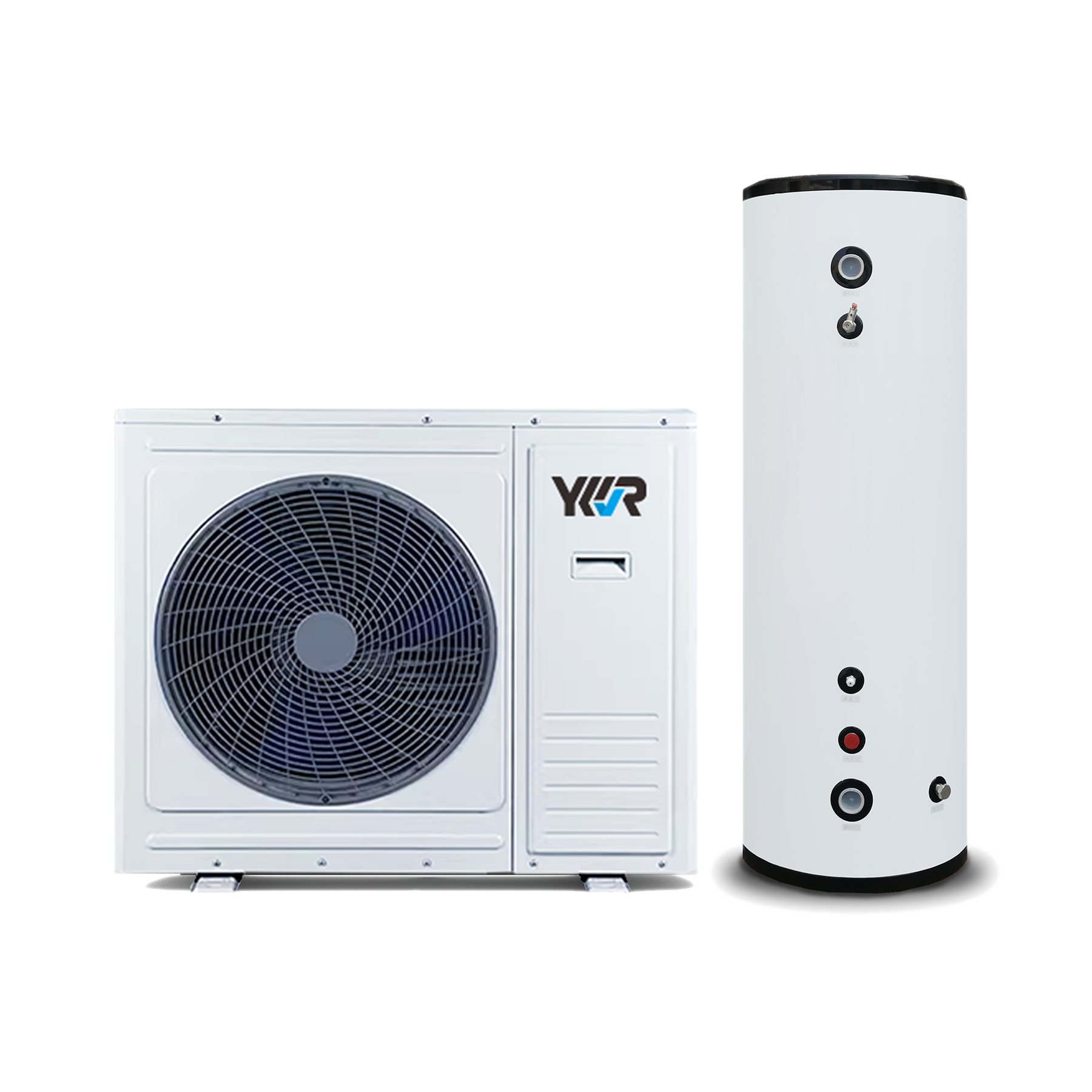
Split system heat pumps are versatile heating and cooling systems that utilize a refrigeration cycle to transfer heat. They consist of two main components: an indoor unit and an outdoor unit. The outdoor unit absorbs heat from the air (even in cold temperatures) while the indoor unit distributes that heat throughout your home.
Types of Split System Heat Pumps
There are primarily two types of split system heat pumps: air-source and ground-source (or geothermal). Air-source heat pumps are more common and draw heat from the outside air, while ground-source heat pumps extract heat from the ground, offering greater efficiency in certain climates.
Overview of Traditional Heating Systems
What are Traditional Heating Systems?
Traditional heating systems typically include furnaces, boilers, and electric heaters. These systems often rely on fossil fuels or electricity to generate heat, which is then distributed throughout the home via ductwork or radiators.
Types of Traditional Heating Systems
The most common traditional systems include:
- **Gas Furnaces**: Burn natural gas to generate heat.
- **Oil Furnaces**: Use heating oil for combustion.
- **Electric Resistance Heaters**: Convert electricity directly into heat.
- **Hydronic Heating Systems**: Use hot water for heating through radiators or underfloor heating.
Comparative Analysis: Efficiency
Energy Efficiency of Split System Heat Pumps
One of the standout features of split system heat pumps is their energy efficiency. They can achieve a coefficient of performance (COP) of 3-4, meaning they can produce three to four times more energy in heating compared to the energy consumed. This efficiency not only reduces energy bills but also lowers your carbon footprint.
Energy Efficiency of Traditional Heating Systems
In contrast, traditional heating systems can vary widely in efficiency. Gas furnaces, for instance, typically have an Annual Fuel Utilization Efficiency (AFUE) rating between 80-98%, while electric resistance heaters have a nearly 100% efficiency but can be costlier to operate due to electricity prices.
Cost Comparison: Installation and Operation
Installation Costs of Split System Heat Pumps
The initial cost of installing a split system heat pump can range from $3,000 to $7,000, depending on the size of the unit and installation complexity. While this may seem steep, many homeowners recover these costs through energy savings over time.
Installation Costs of Traditional Heating Systems
Traditional heating systems can also vary in installation costs. For example, gas furnaces may cost between $3,500 and $6,500 to install, while electric resistance heaters can be less expensive initially but often lead to higher operational costs.
Long-term Operational Costs
When considering long-term costs, split system heat pumps typically offer lower operational expenses due to their efficiency. In contrast, traditional systems, especially those relying on fossil fuels, can result in higher ongoing costs, particularly in regions with fluctuating energy prices.
Environmental Impact
Split System Heat Pumps and Sustainability
Split system heat pumps are generally regarded as a more environmentally friendly option. They use renewable heat from the environment, significantly reducing greenhouse gas emissions. Moreover, many heat pumps can be powered by renewable energy sources, such as solar panels, further enhancing their eco-friendliness.
Environmental Concerns with Traditional Heating Systems
Traditional heating systems, particularly those that rely on fossil fuels, contribute to higher levels of greenhouse gas emissions. Additionally, their dependence on oil and gas raises concerns regarding sustainability and environmental impact.
Maintenance and Longevity
Maintenance for Split System Heat Pumps
Split system heat pumps require regular maintenance to ensure optimal performance. This includes cleaning filters and coils, checking refrigerant levels, and ensuring proper airflow. With routine maintenance, these systems can last 15-20 years.
Maintenance for Traditional Heating Systems
Traditional heating systems also require periodic maintenance. Gas and oil furnaces need annual inspections and cleanings, while electric systems may need less frequent upkeep. However, the longevity of these systems varies, with many lasting between 15-30 years, depending on the type and maintenance history.
Noise Levels and Comfort
Noise Levels of Split System Heat Pumps
Split system heat pumps are generally quieter than traditional heating systems, especially newer models equipped with advanced sound-dampening technology. The indoor unit operates at low noise levels, making it suitable for residential environments.
Noise Levels of Traditional Heating Systems
Traditional heating systems, particularly older models, can be noisier due to the combustion process and the operation of fans and blowers. Homeowners may experience loud start-up noises or continuous operational sounds, which can be disruptive.
Which Heating System is Right for You?
Factors to Consider in Your Decision
Choosing between a split system heat pump and a traditional heating system involves several considerations:
- **Climate**: Split system heat pumps are most effective in moderate climates.
- **Energy Costs**: Evaluate the cost of electricity versus gas or oil.
- **Home Size**: Consider the heating needs of your home based on its size and insulation.
- **Environmental Impact**: Factor in your commitment to sustainability.
Professional Consultation
Before making a final decision, consulting with a heating specialist can provide valuable insights tailored to your home's specific needs. They can help you assess factors such as installation costs, efficiency ratings, and potential savings.
Frequently Asked Questions (FAQs)
1. How does a split system heat pump work?
A split system heat pump works by transferring heat between the indoor and outdoor units. It absorbs heat from outside air and distributes it inside your home, providing both heating and cooling capabilities.
2. What is the lifespan of a split system heat pump?
With proper maintenance, a split system heat pump can last between 15 to 20 years.
3. Are split system heat pumps suitable for colder climates?
While split system heat pumps function effectively in moderate climates, advancements in technology have improved their performance in colder temperatures, making them a viable option for many regions.
4. How often should I service my heating system?
It is recommended to service your heating system at least once a year to maintain efficiency and prolong its lifespan.
5. What are the benefits of a split system heat pump over a traditional heating system?
Split system heat pumps offer greater energy efficiency, lower operational costs, and reduced environmental impact compared to traditional heating systems.
Conclusion
In conclusion, choosing between a split system heat pump and a traditional heating system requires careful consideration of multiple factors, including efficiency, costs, environmental impact, and comfort. Split system heat pumps shine in energy efficiency and sustainability, making them an excellent choice for many homeowners. However, traditional heating systems still hold value in specific scenarios and regions. By evaluating your unique situation and consulting with a professional, you can make the best heating decision for your home, ensuring warmth and comfort for years to come.

Get A Free Quote
We welcome you for any inquiries,tell us about your project to receive a no-obligation price quote

Hotline
Address
No. 16-1, Chaoyang Road, Nanhai National Ecological Industrial Demonstration Park, Danzao Town, Nanhai District, Foshan City, Guangdong Province, China.