


18
2026
-
03
Understanding Split System Heat Pumps: The Future of Efficient Heating
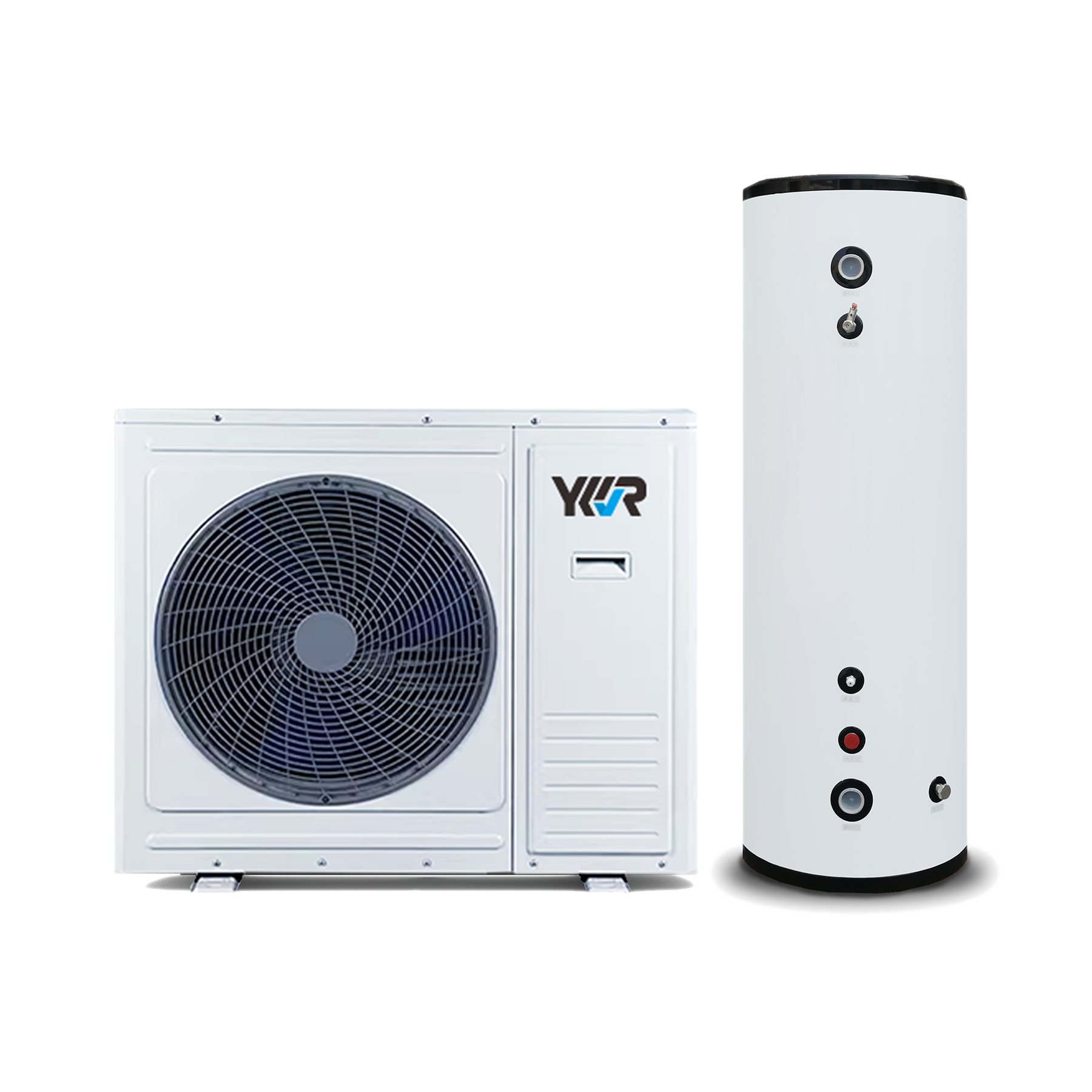
Split system heat pumps are becoming increasingly popular as a versatile and energy-efficient option for both heating and cooling residential spaces. These systems utilize a unique technology to transfer heat between the interior of a home and the outside environment, making them an excellent choice for those looking to enhance their home comfort while minimizing energy costs.
One of the primary benefits of split system heat pumps lies in their efficiency. Unlike traditional heating methods, which can be energy-intensive, heat pumps operate on the principle of heat transfer. During cooler months, they extract heat from the outside air and transfer it indoors, while in warmer months, they work in reverse by removing heat from inside your home and releasing it outside. This dual functionality not only maximizes energy efficiency but also reduces the overall environmental impact.
Installation of a split system heat pump can be relatively straightforward, provided by a qualified technician. These systems consist of two main components: an indoor unit and an outdoor unit. The installation process typically involves mounting the indoor unit on a wall and placing the outdoor unit in a suitable location outside the building. This design minimizes the need for extensive ductwork, making it an ideal choice for homes without existing duct systems. Furthermore, split system heat pumps come in various sizes and capacities, ensuring there is a suitable option for different types of properties.
While split system heat pumps require a higher initial investment compared to traditional heating systems, the long-term savings on energy bills can be significant. It is important to consider the local climate and the specific heating and cooling needs of your home when selecting a heat pump model. Proper sizing and installation can greatly enhance performance and efficiency.
Maintenance plays a crucial role in ensuring that a split system heat pump operates effectively for years to come. Regular inspections and cleaning of the filters, coils, and fins can prevent issues from arising and maintain optimal energy efficiency. Homeowners are encouraged to schedule annual maintenance checks with a professional service provider to identify any potential problems early on.
In conclusion, split system heat pumps offer a modern solution to heating and cooling needs, combining efficiency, ease of installation, and environmentally friendly operation. Whether you're building a new home or looking to upgrade your existing heating system, considering a split system heat pump can be a wise choice that provides comfort while being mindful of energy consumption.
One of the primary benefits of split system heat pumps lies in their efficiency. Unlike traditional heating methods, which can be energy-intensive, heat pumps operate on the principle of heat transfer. During cooler months, they extract heat from the outside air and transfer it indoors, while in warmer months, they work in reverse by removing heat from inside your home and releasing it outside. This dual functionality not only maximizes energy efficiency but also reduces the overall environmental impact.
Installation of a split system heat pump can be relatively straightforward, provided by a qualified technician. These systems consist of two main components: an indoor unit and an outdoor unit. The installation process typically involves mounting the indoor unit on a wall and placing the outdoor unit in a suitable location outside the building. This design minimizes the need for extensive ductwork, making it an ideal choice for homes without existing duct systems. Furthermore, split system heat pumps come in various sizes and capacities, ensuring there is a suitable option for different types of properties.
While split system heat pumps require a higher initial investment compared to traditional heating systems, the long-term savings on energy bills can be significant. It is important to consider the local climate and the specific heating and cooling needs of your home when selecting a heat pump model. Proper sizing and installation can greatly enhance performance and efficiency.
Maintenance plays a crucial role in ensuring that a split system heat pump operates effectively for years to come. Regular inspections and cleaning of the filters, coils, and fins can prevent issues from arising and maintain optimal energy efficiency. Homeowners are encouraged to schedule annual maintenance checks with a professional service provider to identify any potential problems early on.
In conclusion, split system heat pumps offer a modern solution to heating and cooling needs, combining efficiency, ease of installation, and environmentally friendly operation. Whether you're building a new home or looking to upgrade your existing heating system, considering a split system heat pump can be a wise choice that provides comfort while being mindful of energy consumption.

Get A Free Quote
We welcome you for any inquiries,tell us about your project to receive a no-obligation price quote

Hotline
Address
No. 16-1, Chaoyang Road, Nanhai National Ecological Industrial Demonstration Park, Danzao Town, Nanhai District, Foshan City, Guangdong Province, China.