


02
2026
-
03
Understanding Air Heat Pumps: A Key Component in Industrial Climate Control
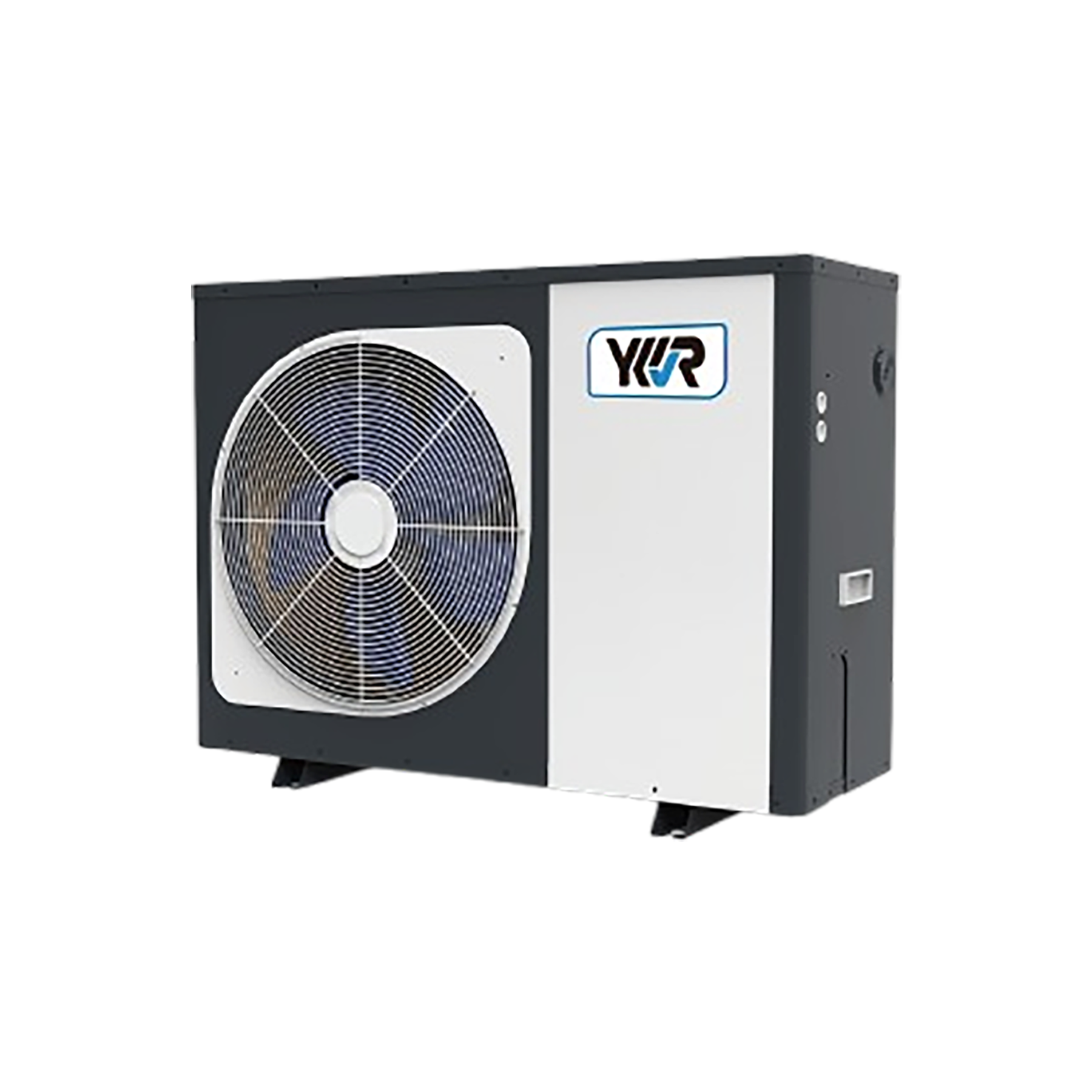
Air heat pumps are becoming increasingly popular in various industrial applications due to their ability to efficiently transfer heat from one location to another. They utilize a refrigeration cycle similar to that found in traditional air conditioning systems but can operate in both heating and cooling modes. This dual functionality makes air heat pumps a versatile choice for industrial environments where temperature regulation is crucial.
At their core, air heat pumps extract heat from the outside air and transfer it indoors during colder months, providing a reliable heating source. Conversely, during warmer months, they can reverse the process, expelling heat from the interior to the outside. This efficiency contributes significantly to energy savings, as air heat pumps can often achieve a coefficient of performance (COP) greater than 3, meaning they can produce three times more energy in heating than the electrical energy consumed.
One of the primary advantages of air heat pumps is their environmental friendliness. By utilizing ambient air as a heat source, they reduce dependency on fossil fuels and minimize greenhouse gas emissions. In recent years, industries have increasingly turned to these systems to meet sustainability goals and comply with stringent environmental regulations.
When considering air heat pumps for your industrial needs, several factors should be evaluated. Firstly, the climate in which your facility operates can significantly affect the system's efficiency. Air heat pumps tend to perform best in moderate climates; however, advancements in technology have led to models capable of functioning effectively even in lower temperatures.
Moreover, the size and layout of your space are critical in determining the type and capacity of the heat pump. A properly sized unit ensures optimal performance and avoids unnecessary energy consumption. Consulting with experts who can assess your specific requirements is advisable to make an informed decision.
Additionally, maintenance is essential to ensure the longevity and efficiency of air heat pumps. Regular cleaning of filters, checking refrigerant levels, and inspecting the overall system can prevent costly breakdowns and enhance performance.
In conclusion, air heat pumps represent a forward-thinking solution for industrial climate control, providing energy efficiency and environmental benefits. By understanding their operation, advantages, and necessary considerations, you can make informed decisions that align with your operational needs and sustainability objectives. As industries continue to seek innovative solutions for heating and cooling, air heat pumps stand out as a viable and effective option.
At their core, air heat pumps extract heat from the outside air and transfer it indoors during colder months, providing a reliable heating source. Conversely, during warmer months, they can reverse the process, expelling heat from the interior to the outside. This efficiency contributes significantly to energy savings, as air heat pumps can often achieve a coefficient of performance (COP) greater than 3, meaning they can produce three times more energy in heating than the electrical energy consumed.
One of the primary advantages of air heat pumps is their environmental friendliness. By utilizing ambient air as a heat source, they reduce dependency on fossil fuels and minimize greenhouse gas emissions. In recent years, industries have increasingly turned to these systems to meet sustainability goals and comply with stringent environmental regulations.
When considering air heat pumps for your industrial needs, several factors should be evaluated. Firstly, the climate in which your facility operates can significantly affect the system's efficiency. Air heat pumps tend to perform best in moderate climates; however, advancements in technology have led to models capable of functioning effectively even in lower temperatures.
Moreover, the size and layout of your space are critical in determining the type and capacity of the heat pump. A properly sized unit ensures optimal performance and avoids unnecessary energy consumption. Consulting with experts who can assess your specific requirements is advisable to make an informed decision.
Additionally, maintenance is essential to ensure the longevity and efficiency of air heat pumps. Regular cleaning of filters, checking refrigerant levels, and inspecting the overall system can prevent costly breakdowns and enhance performance.
In conclusion, air heat pumps represent a forward-thinking solution for industrial climate control, providing energy efficiency and environmental benefits. By understanding their operation, advantages, and necessary considerations, you can make informed decisions that align with your operational needs and sustainability objectives. As industries continue to seek innovative solutions for heating and cooling, air heat pumps stand out as a viable and effective option.
Relevant News

Get A Free Quote
We welcome you for any inquiries,tell us about your project to receive a no-obligation price quote

Hotline
Address
No. 16-1, Chaoyang Road, Nanhai National Ecological Industrial Demonstration Park, Danzao Town, Nanhai District, Foshan City, Guangdong Province, China.