


26
2026
-
02
Understanding Split System Heat Pumps: Efficiency and Benefits
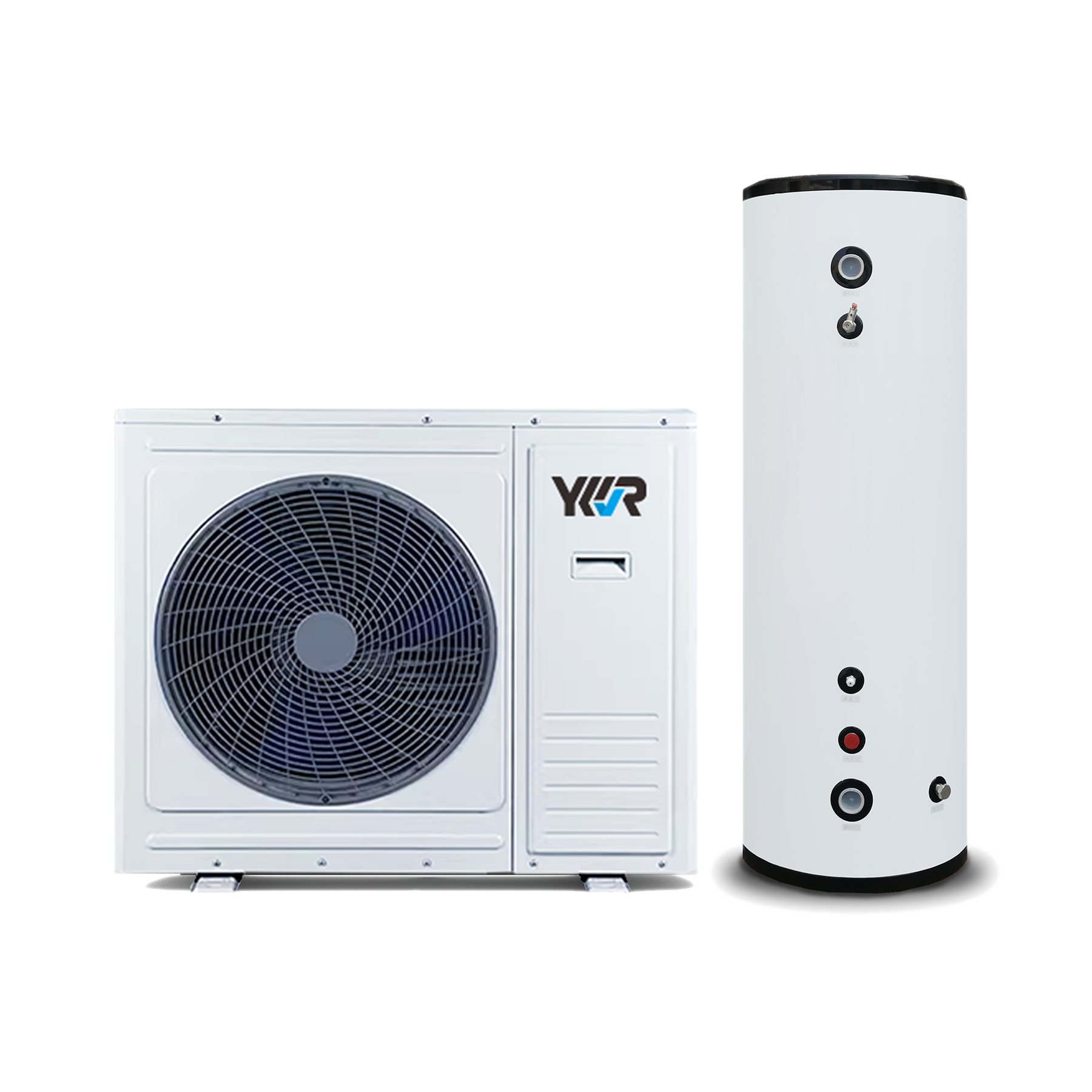
A split system heat pump is a versatile and efficient solution for both heating and cooling your space. Unlike traditional HVAC systems, a split system consists of two main components: an indoor unit and an outdoor unit. This separation allows for greater flexibility in installation and operation, making it an attractive option for various settings.
One of the primary benefits of a split system heat pump is its energy efficiency. Heat pumps operate on the principle of transferring heat rather than generating it through combustion as traditional heating methods do. During the winter, the system extracts heat from the outdoor air and transfers it indoors, while in the summer, it reverses this process to provide cooling. This unique functionality means that heat pumps can deliver up to three times more energy in the form of heat than they consume in electricity. As a result, they not only reduce energy costs but also lower greenhouse gas emissions, making them an environmentally friendly option.
Moreover, split system heat pumps are recognized for their quiet operation. The outdoor unit is designed to minimize noise, allowing for a more comfortable indoor environment. This is particularly beneficial for residential applications where noise levels can significantly impact the quality of life. Additionally, many modern heat pumps come equipped with advanced features, such as variable speed compressors, which allow for more precise temperature control and improved energy efficiency.
Installation flexibility is another remarkable feature of split system heat pumps. Since the indoor and outdoor units are connected only by refrigerant lines and electrical wiring, they can be installed in a variety of configurations. This adaptability means they can be suited to various building types, from single-family homes to larger commercial establishments. Furthermore, the ability to add multiple indoor units to a single outdoor unit allows for zoned heating and cooling, providing tailored comfort across different areas of a property.
Maintenance of split system heat pumps is generally straightforward. Regular checks and cleaning of the filters, coils, and fan can help ensure optimal performance and longevity. Additionally, many manufacturers provide guidelines and schedules for maintenance to keep the system running efficiently.
In summary, a split system heat pump is an excellent choice for those seeking a dual-purpose heating and cooling solution. Its energy efficiency, quiet operation, installation flexibility, and ease of maintenance make it a popular choice among homeowners and businesses alike. By understanding these systems' fundamental principles and advantages, consumers can make informed decisions about their heating and cooling needs, paving the way for a more comfortable and sustainable environment.
One of the primary benefits of a split system heat pump is its energy efficiency. Heat pumps operate on the principle of transferring heat rather than generating it through combustion as traditional heating methods do. During the winter, the system extracts heat from the outdoor air and transfers it indoors, while in the summer, it reverses this process to provide cooling. This unique functionality means that heat pumps can deliver up to three times more energy in the form of heat than they consume in electricity. As a result, they not only reduce energy costs but also lower greenhouse gas emissions, making them an environmentally friendly option.
Moreover, split system heat pumps are recognized for their quiet operation. The outdoor unit is designed to minimize noise, allowing for a more comfortable indoor environment. This is particularly beneficial for residential applications where noise levels can significantly impact the quality of life. Additionally, many modern heat pumps come equipped with advanced features, such as variable speed compressors, which allow for more precise temperature control and improved energy efficiency.
Installation flexibility is another remarkable feature of split system heat pumps. Since the indoor and outdoor units are connected only by refrigerant lines and electrical wiring, they can be installed in a variety of configurations. This adaptability means they can be suited to various building types, from single-family homes to larger commercial establishments. Furthermore, the ability to add multiple indoor units to a single outdoor unit allows for zoned heating and cooling, providing tailored comfort across different areas of a property.
Maintenance of split system heat pumps is generally straightforward. Regular checks and cleaning of the filters, coils, and fan can help ensure optimal performance and longevity. Additionally, many manufacturers provide guidelines and schedules for maintenance to keep the system running efficiently.
In summary, a split system heat pump is an excellent choice for those seeking a dual-purpose heating and cooling solution. Its energy efficiency, quiet operation, installation flexibility, and ease of maintenance make it a popular choice among homeowners and businesses alike. By understanding these systems' fundamental principles and advantages, consumers can make informed decisions about their heating and cooling needs, paving the way for a more comfortable and sustainable environment.
Relevant News

Get A Free Quote
We welcome you for any inquiries,tell us about your project to receive a no-obligation price quote

Hotline
Address
No. 16-1, Chaoyang Road, Nanhai National Ecological Industrial Demonstration Park, Danzao Town, Nanhai District, Foshan City, Guangdong Province, China.