


18
2026
-
05
Understanding Air Heat Pumps: Efficient Solutions for Industrial Climate Control
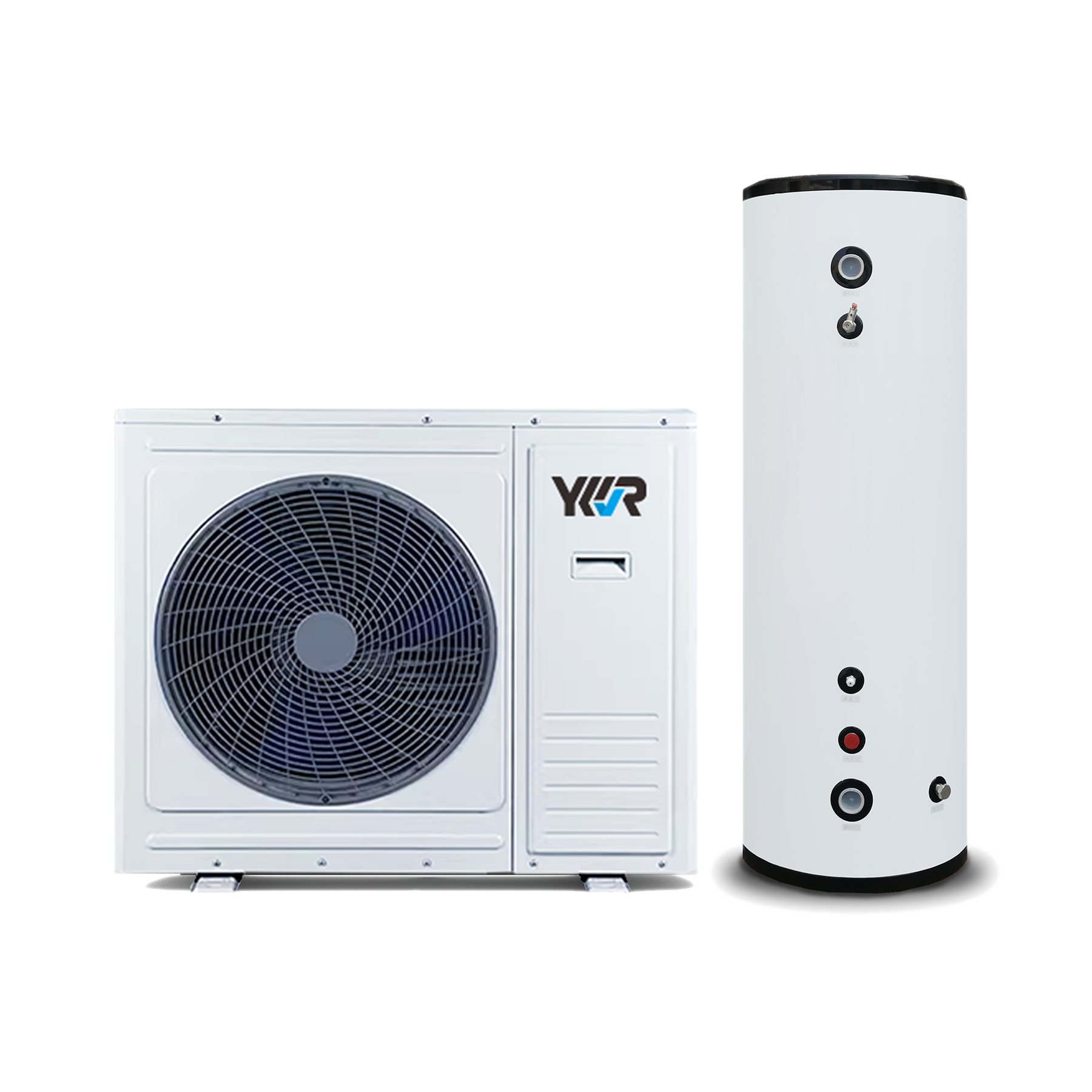
Air heat pumps have gained significant traction in various industries due to their energy efficiency and versatility. These systems work by transferring heat from the air, making them an ideal solution for both heating and cooling applications in industrial environments. Understanding the operational principles and benefits of air heat pumps can greatly enhance your facility's climate control capabilities.
At their core, air heat pumps operate on the principle of refrigeration. They extract heat from ambient air, even at low temperatures, and transfer it to a designated area. This process involves a refrigerant that circulates between the evaporator and condenser coils. When the refrigerant absorbs heat from the air, it evaporates into a gas. The compressor then raises the pressure of this gas, which allows it to release heat when it passes through the condenser coil. The result is a system that can efficiently heat or cool spaces, depending on the requirements.
One of the primary advantages of air heat pumps is their energy efficiency. They can provide more energy in the form of heat than the electrical energy they consume. This characteristic, often referred to as the coefficient of performance (COP), allows industrial facilities to reduce their energy consumption and lower operational costs. Moreover, air heat pumps can significantly decrease greenhouse gas emissions, aligning with sustainability goals that many industries are now prioritizing.
Air heat pumps are also noted for their adaptability. They can be integrated into existing heating systems or used as standalone units, making them suitable for various industrial applications. For instance, they can be utilized in process heating, space heating, and even for drying applications, depending on the specific needs of your operation. Their ability to function in diverse environments makes them a practical choice for factories, warehouses, and production facilities.
In terms of maintenance, air heat pumps are generally straightforward. Regular cleaning of the coils and filters can ensure optimal performance, and periodic professional inspections can help in identifying potential issues before they escalate. This simplicity in maintenance further contributes to the long-term viability of air heat pump systems.
In conclusion, air heat pumps present an innovative and efficient option for climate control in industrial settings. By understanding their operational principles and benefits, companies can make informed decisions that enhance energy efficiency while meeting their heating and cooling needs. As industries continue to evolve, the adoption of energy-efficient technologies like air heat pumps will be crucial in achieving operational excellence and sustainability.
At their core, air heat pumps operate on the principle of refrigeration. They extract heat from ambient air, even at low temperatures, and transfer it to a designated area. This process involves a refrigerant that circulates between the evaporator and condenser coils. When the refrigerant absorbs heat from the air, it evaporates into a gas. The compressor then raises the pressure of this gas, which allows it to release heat when it passes through the condenser coil. The result is a system that can efficiently heat or cool spaces, depending on the requirements.
One of the primary advantages of air heat pumps is their energy efficiency. They can provide more energy in the form of heat than the electrical energy they consume. This characteristic, often referred to as the coefficient of performance (COP), allows industrial facilities to reduce their energy consumption and lower operational costs. Moreover, air heat pumps can significantly decrease greenhouse gas emissions, aligning with sustainability goals that many industries are now prioritizing.
Air heat pumps are also noted for their adaptability. They can be integrated into existing heating systems or used as standalone units, making them suitable for various industrial applications. For instance, they can be utilized in process heating, space heating, and even for drying applications, depending on the specific needs of your operation. Their ability to function in diverse environments makes them a practical choice for factories, warehouses, and production facilities.
In terms of maintenance, air heat pumps are generally straightforward. Regular cleaning of the coils and filters can ensure optimal performance, and periodic professional inspections can help in identifying potential issues before they escalate. This simplicity in maintenance further contributes to the long-term viability of air heat pump systems.
In conclusion, air heat pumps present an innovative and efficient option for climate control in industrial settings. By understanding their operational principles and benefits, companies can make informed decisions that enhance energy efficiency while meeting their heating and cooling needs. As industries continue to evolve, the adoption of energy-efficient technologies like air heat pumps will be crucial in achieving operational excellence and sustainability.

Get A Free Quote
We welcome you for any inquiries,tell us about your project to receive a no-obligation price quote

Hotline
Address
No. 16-1, Chaoyang Road, Nanhai National Ecological Industrial Demonstration Park, Danzao Town, Nanhai District, Foshan City, Guangdong Province, China.