


17
2026
-
05
Understanding Split System Heat Pumps: Efficiency and Benefits for Modern Heating Solutions
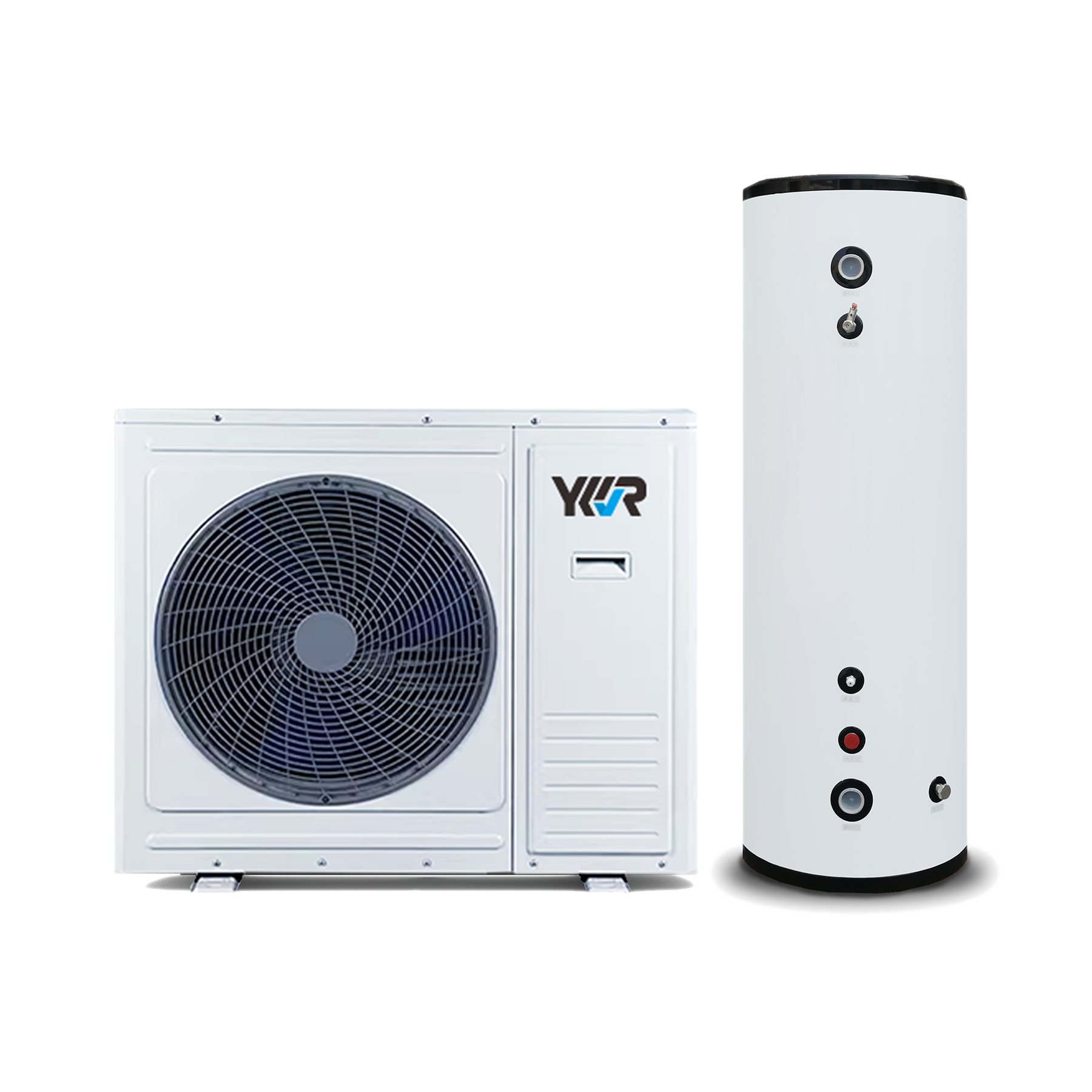
Split system heat pumps are becoming increasingly popular in both residential and commercial settings due to their energy efficiency and versatility. These systems function by transferring heat from one location to another, utilizing refrigerants to absorb and release heat as needed. The split system design separates the indoor and outdoor components, allowing for more efficient heat exchange and reduced noise levels in living areas.
One of the primary advantages of split system heat pumps is their high energy efficiency rating (EER). They can provide heating and cooling by reversing the refrigeration cycle, making them a year-round solution for temperature control. Unlike traditional heating systems, which generate heat through combustion or resistance, split system heat pumps move existing heat, resulting in lower energy consumption and reduced greenhouse gas emissions.
When considering a split system heat pump for heating water, it’s crucial to evaluate factors such as the size of the unit, the climate of your location, and the specific heating demands of your building. Proper sizing ensures optimal performance, as an undersized unit will struggle to meet heating needs, while an oversized one may cycle on and off too frequently, leading to inefficiency and increased wear.
Installation is another critical aspect of split system heat pumps. It is recommended to seek professional installation services to ensure the system is set up correctly and to maximize its efficiency. Proper insulation and ductwork can enhance the performance of the system, allowing for better heat distribution throughout the space.
Maintenance is essential for ensuring the longevity and efficiency of split system heat pumps. Regularly cleaning or replacing filters, checking refrigerant levels, and inspecting the outdoor unit for debris can prevent common issues and prolong the life of the system. Scheduling routine professional maintenance can also identify and address potential problems before they escalate.
In summary, split system heat pumps represent a forward-thinking approach to heating and cooling. Their energy efficiency, versatility, and adaptability make them an excellent choice for those looking to optimize their heating solutions. By understanding the functionality and benefits of split system heat pumps, users can make informed decisions that contribute to sustainable and effective temperature management in their environments.
One of the primary advantages of split system heat pumps is their high energy efficiency rating (EER). They can provide heating and cooling by reversing the refrigeration cycle, making them a year-round solution for temperature control. Unlike traditional heating systems, which generate heat through combustion or resistance, split system heat pumps move existing heat, resulting in lower energy consumption and reduced greenhouse gas emissions.
When considering a split system heat pump for heating water, it’s crucial to evaluate factors such as the size of the unit, the climate of your location, and the specific heating demands of your building. Proper sizing ensures optimal performance, as an undersized unit will struggle to meet heating needs, while an oversized one may cycle on and off too frequently, leading to inefficiency and increased wear.
Installation is another critical aspect of split system heat pumps. It is recommended to seek professional installation services to ensure the system is set up correctly and to maximize its efficiency. Proper insulation and ductwork can enhance the performance of the system, allowing for better heat distribution throughout the space.
Maintenance is essential for ensuring the longevity and efficiency of split system heat pumps. Regularly cleaning or replacing filters, checking refrigerant levels, and inspecting the outdoor unit for debris can prevent common issues and prolong the life of the system. Scheduling routine professional maintenance can also identify and address potential problems before they escalate.
In summary, split system heat pumps represent a forward-thinking approach to heating and cooling. Their energy efficiency, versatility, and adaptability make them an excellent choice for those looking to optimize their heating solutions. By understanding the functionality and benefits of split system heat pumps, users can make informed decisions that contribute to sustainable and effective temperature management in their environments.

Get A Free Quote
We welcome you for any inquiries,tell us about your project to receive a no-obligation price quote

Hotline
Address
No. 16-1, Chaoyang Road, Nanhai National Ecological Industrial Demonstration Park, Danzao Town, Nanhai District, Foshan City, Guangdong Province, China.